
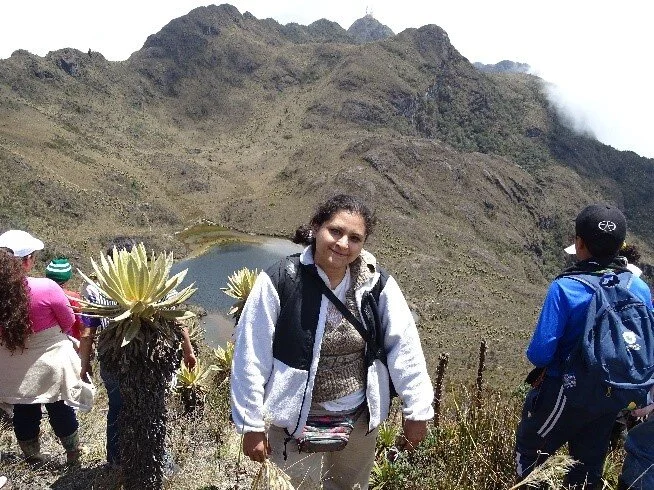
Adriana Marcela Paredes Mosquera
Comparto con diversos profesionales dedicados a la educación ambiental que, la niñez y cómo has estado relacionada(o) con la naturaleza, repercuten en la escogencia de tu camino de vida. Desde niña siempre supe que quería ser profesora de ciencias sociales o antropóloga y que, debía andar entre las montañas trabajando con la gente.
Mi familia paterna tuvo fuerte influencia en aquellos primeros acercamientos a la ruralidad en mi tierra natal (Silvia, Cauca, Colombia). Los fines de semana paseábamos en las veredas aledañas, truqueábamos con los pobladores y así aprendí a relacionarme.
Diciembre era mi época favorita del año porque nos adentrarnos en la montaña para conseguir los elementos que estarían en nuestro pesebre.
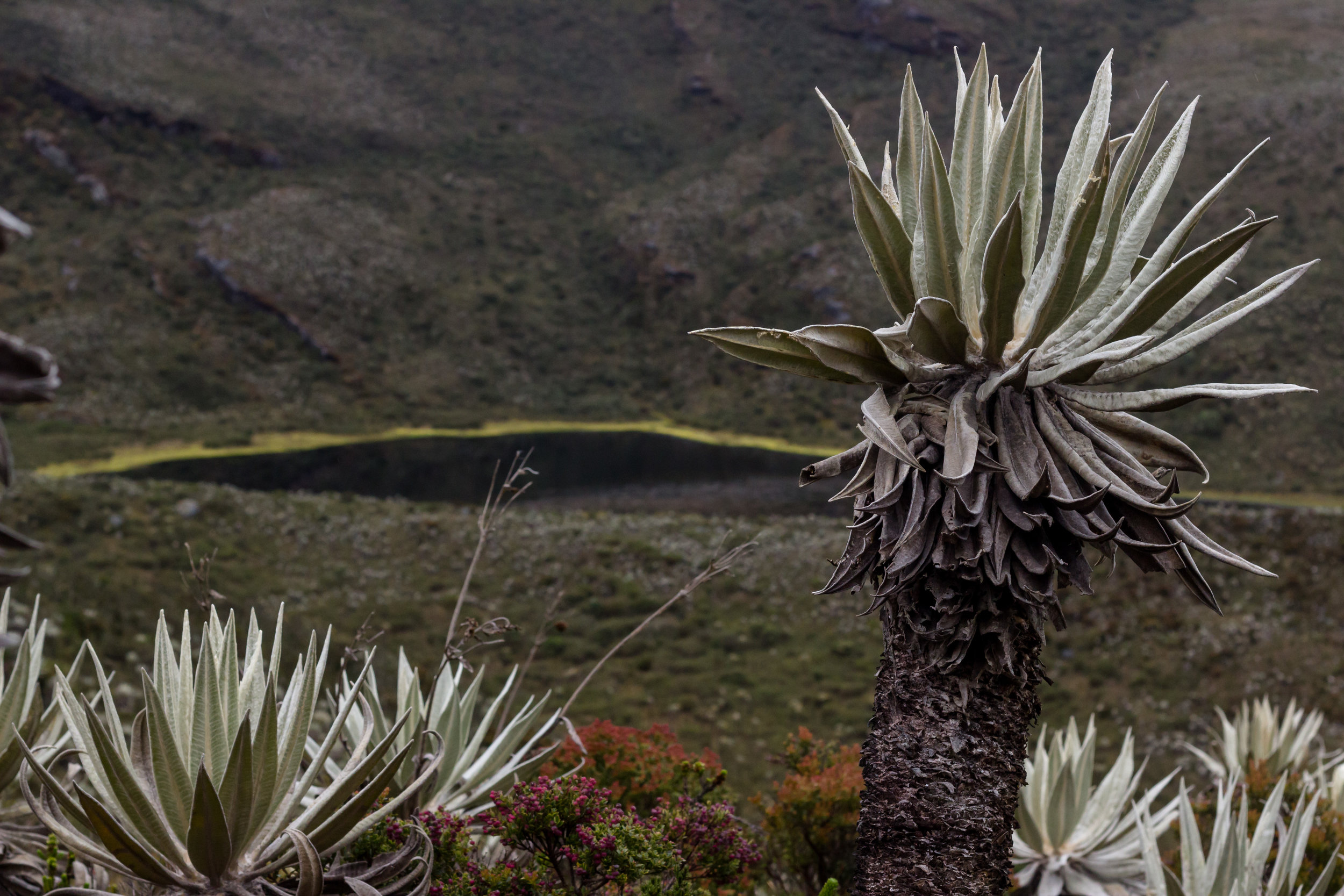
Mi papá se unió al resto de familia paterna para llevarnos al páramo de Pisno, un ecosistema de alta montaña, cuyo relieve es quebrado, con lagunas y montañas que, tienen alturas pronunciadas (3500 m.s.n.m). Al visitarlo, quedé fascinada, vislumbrando su majestuosidad y ratifiqué que cuando fuera adulta deseaba trabajar en territorios similares.
Nuestras salidas anuales a Pisno se frenaron en 1997 con el recrudecimiento del conflicto armado, entonces en 1999, junto con mi familia nuclear fuimos desplazados y debimos trasladarnos a Popayán. Esto nos marcó por cuanto el relacionamiento con la ruralidad debió romperse abruptamente y ahora debíamos acostumbrarnos a vivir en la ciudad. La espera paciente por lo añorado fue hasta 2005 cuando pude hacer realidad mi sueño de hacer parte de las ciencias humanas y sociales, a través de la disciplina antropológica. Nuestro primer trabajo de campo fue al volcán Puracé y aquí volví a conectarme con el páramo.
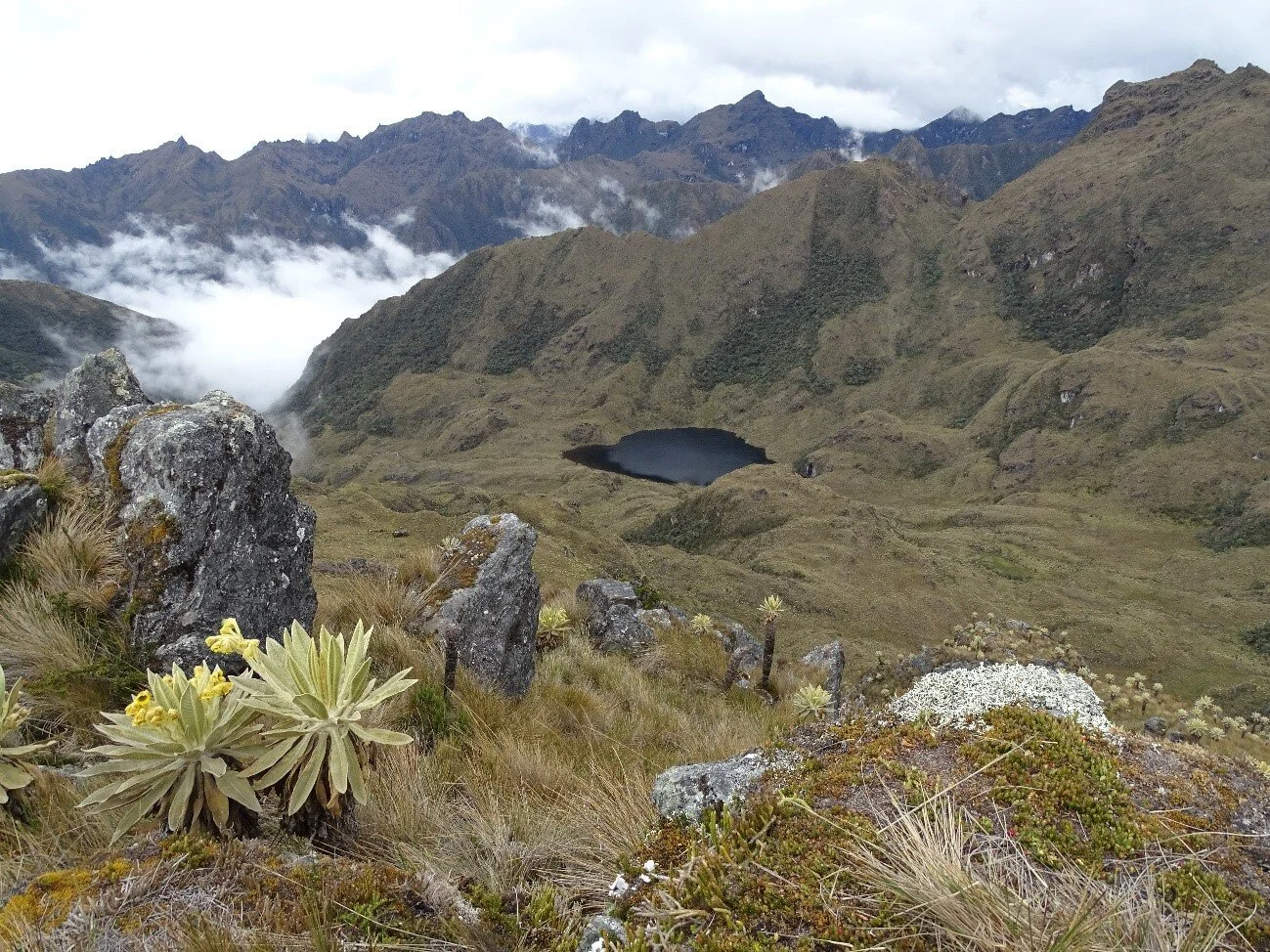
En 2015 trabajé en el Complejo de páramos Las Hermosas entre Valle del Cauca y Tolima, para la caracterización de aspectos sociales, culturales y económicos que dieran a conocer a la ciudadanía colombiana el proceso de delimitación de páramos en Colombia y mostrar que el páramo es un socioecosistema biodiverso en tanto, es rico por la variedad de especies de fauna y flora, pero a su vez, por la presencia de aquellos seres humanos que lo habitan desde el siglo XIX y que, a lo largo del tiempo han estado estrechamente relacionados con el páramo, a tal punto de considerarlo como “su vida misma”. Trabajé en Las Mercedes (Rioblanco, Tolima) y fue una experiencia que me conmovió a tal punto de confirmar mi interés por aportar a los procesos que se tejen en las zonas de páramo.
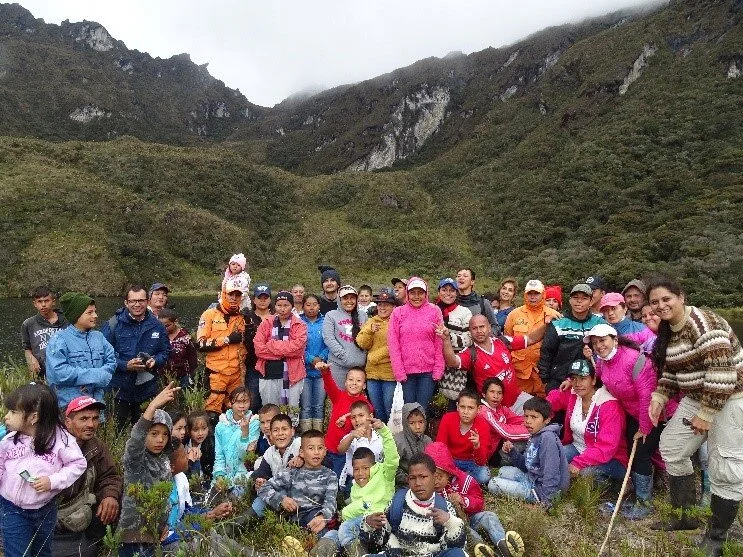
Finalizando 2016, coordiné la formulación del plan de educación ambiental en este complejo (sector Valle), en donde articulé diversos actores locales e institucionales para aportar a la conservación del páramo desde la educación y surgió la iniciativa de poder mapear las escuelas de la cordillera.
Esta metodología nos permitió reflexionar la importancia de compartir paseos en familia y comunidad porque son una herramienta pedagógica para intercambiar conocimientos.
Este proceso fue mi aliciente para formular el proyecto de investigación de maestría en estudios interculturales donde se teje el modelo de ambiente para la educación cuyo punto de partida es cuidar y conservar la vida en todas sus manifestaciones.
Lo que más me ha impactado de mi labor, ha sido pasar del Valle al Tolima por el páramo, un recorrido a pie de cerca de 9 horas por caminos de herradura, conociendo la “Colombia profunda” y sus historias. La oportunidad brindada en 2019 para adentrarme sola al páramo. Entre contenta y temerosa decidí emprender camino encontrándome con la huella del oso de anteojos o el tipo como le llaman lo(a)s montañero(a)s.
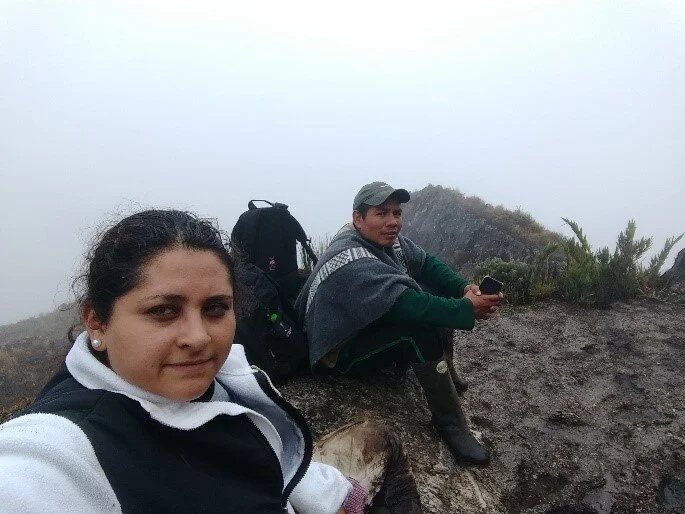
El estar en soledad en el páramo fue importante en mi vida porque pude sentarme en lo alto de la montaña, percibir el viento que tanto amo y darme cuenta que, encontré en mi caminar: mi hogar y mi segunda familia, en tanto el páramo de la cordillera central del Valle, es el sitio donde quiero seguir aportando en procesos sociales, ambientales, culturales y educativos de aquellos habitantes que aprecio. Sentí libertad al haber dejado a un lado las cadenas de la rapidez a la que nos obliga a ser esclavos la modernidad y supe que debo estar en donde me siento feliz y hacer lo que me apasiona.
Pude recargarme de energías que me motivaron a emprender con varios colegas el proyecto de construir nuestra organización llamada Fundación LUGARES. Tenemos el firme propósito de poder aportar a los procesos sociales en el suroccidente colombiano. Estructuré la línea estratégica y de investigación: ambiente para la educación e interculturalidad, una apuesta para co-construir otras formas de hacer educaciones posibles, contextualizadas, acordes a las necesidades de los territorios. En la actualidad, estamos formulando y buscando financiación para un proyecto de ambiente para la educación en un área protegida del complejo Las Hermosas: Reserva Forestal Protectora Nacional de Amaime.
Since I was a child, I always knew that I wanted to be a social science teacher or an anthropologist and that I had to walk through the mountains working with people.
My paternal family had a strong influence on those first approaches to rurality in my homeland (Silvia, Cauca, Colombia). On the weekends we would walk in the surrounding paths we would trade with the villagers, that is how I learned to relate.
December was my favorite time of year because we went into the mountains to get the items that would be in our manger.
My father joined the rest of the paternal family to take us to the Pisno páramo, a high mountain ecosystem, whose relief is broken, with lagoons and mountains that have pronounced heights (3500 m). Upon visiting it, I was fascinated, glimpsing its majesty and confirmed that as an adult I wanted to work in similar territories.
Our annual trips to Pisno stopped in 1997 with the worsening of the armed conflict- Then in 1999, together with my nuclear family, we were displaced and we had to move to Popayán. This marked us because the relationship with rurality was abruptly broken and now we had get used to living in the city.
I patiently waited for what I longed for until 2005 when I was able to make my dream of being part of the human and social sciences come true, through the anthropological discipline. Our first fieldwork project was to the Puracé volcano and here I reconnected with the páramo. In 2015 I worked in the Las Hermosas páramos Complex between Valle del Cauca and Tolima, for the characterization of social, cultural and economic aspects that would make the Colombian citizens aware of the process of delimiting páramos in Colombia and show them that the páramo is a Biodiverse socioecosystem. Rich in the variety of species of wildlife and flora, but at the same time, by the presence of those human beings that have inhabited it since the 19th century and who, over time, have been closely related to the páramo, to the point of considering it as "their life itself." I worked in Las Mercedes (Rioblanco, Tolima) and it was an experience that moved me to the point of confirming my interest in contributing to the processes that are woven in the páramo areas.
At the end of 2016, I coordinated the formulation of the environmental education plan in this complex (Valle sector), where I articulated various local and institutional actors to contribute to the conservation of the páramo from education and the initiative to map the schools of the mountain range emerged. This methodology will allow us to reflect on the importance of sharing family and community outings because they are a pedagogical tool for exchanging knowledge.
This process was my incentive to formulate the master's research project in intercultural studies where the model of environment for education is woven, whose starting point is to care for and preserve life in all its manifestations.
What has impacted me the most about my work has been to go from the Valley to Tolima through the moorland, a walking tour of about 9 hours along bridle paths, getting to know the “deep Colombia” and its stories. The opportunity to enter the wasteland alone was provided in 2019. Between happiness and fear, I decided to set out on my way, finding the footprint of the spectacled bear or “the guy” as the mountaineers call him.
Being alone in the moor was important in my life because I was able to sit at the top of the mountain, perceive the wind that I love so much and realize that, in my walk, I found my home and my second family, as the moor of the central mountain range of the Valley, is the place where I want to continue contributing in social, environmental, cultural and educational processes of those inhabitants that I appreciate. I felt freedom having put aside the chains of the speed at which modernity forces us to be slaves and I knew that I must be where I feel happy and do what I love.
I was able to recharge myself with energy that motivated me to undertake with several colleagues the project of building our organization called Fundación LUGARES. We have the firm intention of being able to contribute to the social processes in the Southwest of Colombia. I structured the strategic and research line: environment for education and interculturality, a commitment to co-construct other ways of making possible, contextualized educations, according to the needs of the territories. Currently, we are formulating and seeking funding for an environment for education project in a protected area of the Las Hermosas complex: Reserva Forestal Protectora Nacional de Amaime.