
Tamara Blazquez Haik
Imagina que todos los días sales de tu casa a buscar comida y te enfrentas a cientos de peligros. Imagina tener que huir diario de gente que quiere hacerte daño porque no entienden o no saben nada sobre ti. Imagina que eres un ser indefenso en una enorme ciudad. Imagina que eres un tlacuache (Didelphis virginiana).
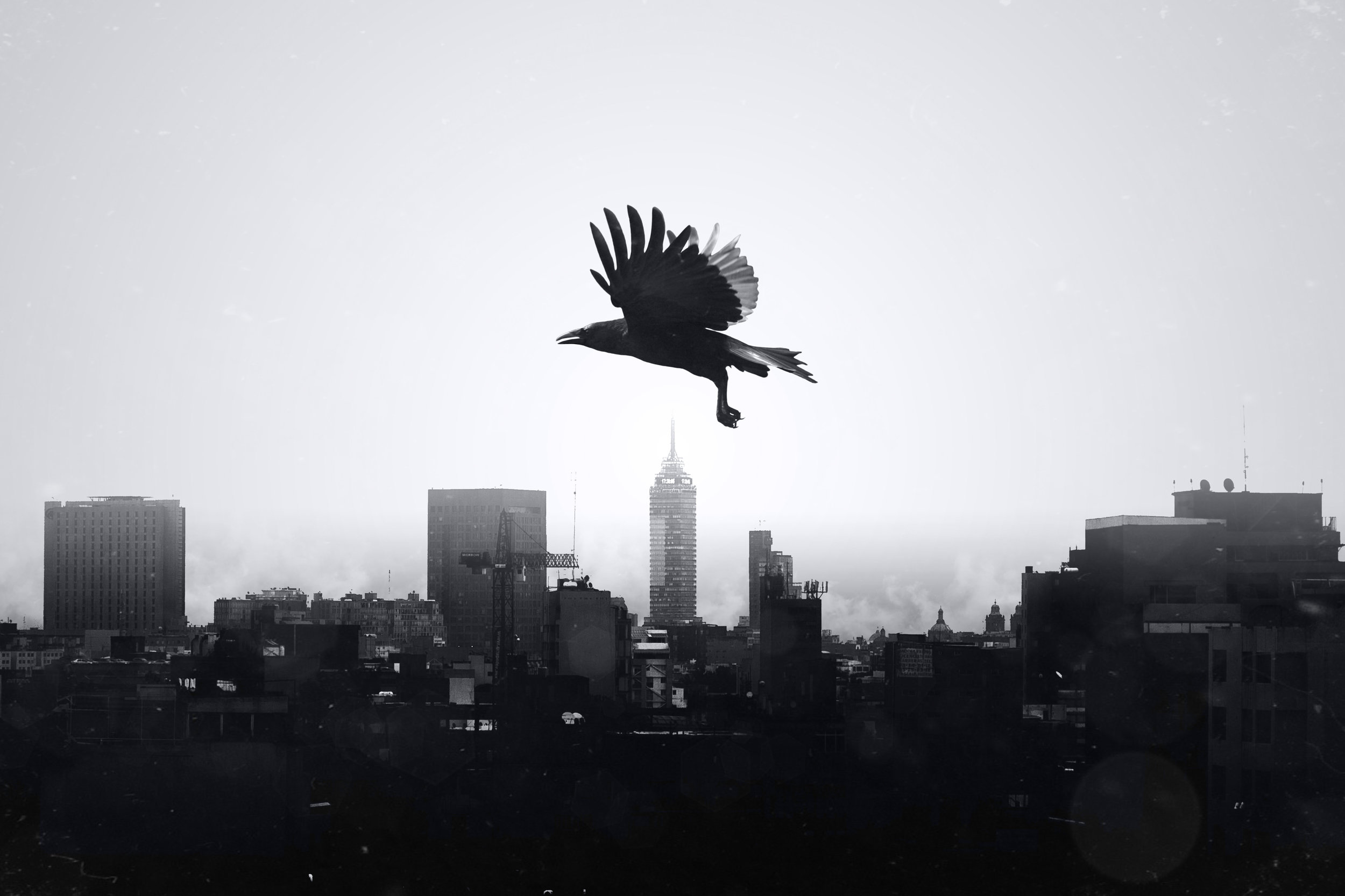
Los tlacuaches, así como cientos de otras especies de fauna que habitan en la Ciudad de México se enfrentan dirariamente, no solo a los peligros “normales” de la naturaleza como sus depredadores, sino a aquellos impuestos por la urbanización y la ignorancia de una sociedad poco empática con aquellos que no son humanos.
Esta ciudad todavía cuenta con zonas relativamente conservadas de bosque, pedregales, y matorrales que albergan 2254 especies de fauna distintas, por lo que es común tener estos encuentros cercanos con ellos. Sin embargo, el conocimiento para poder coexistir con estas especies, es escaso, si no es que nulo.
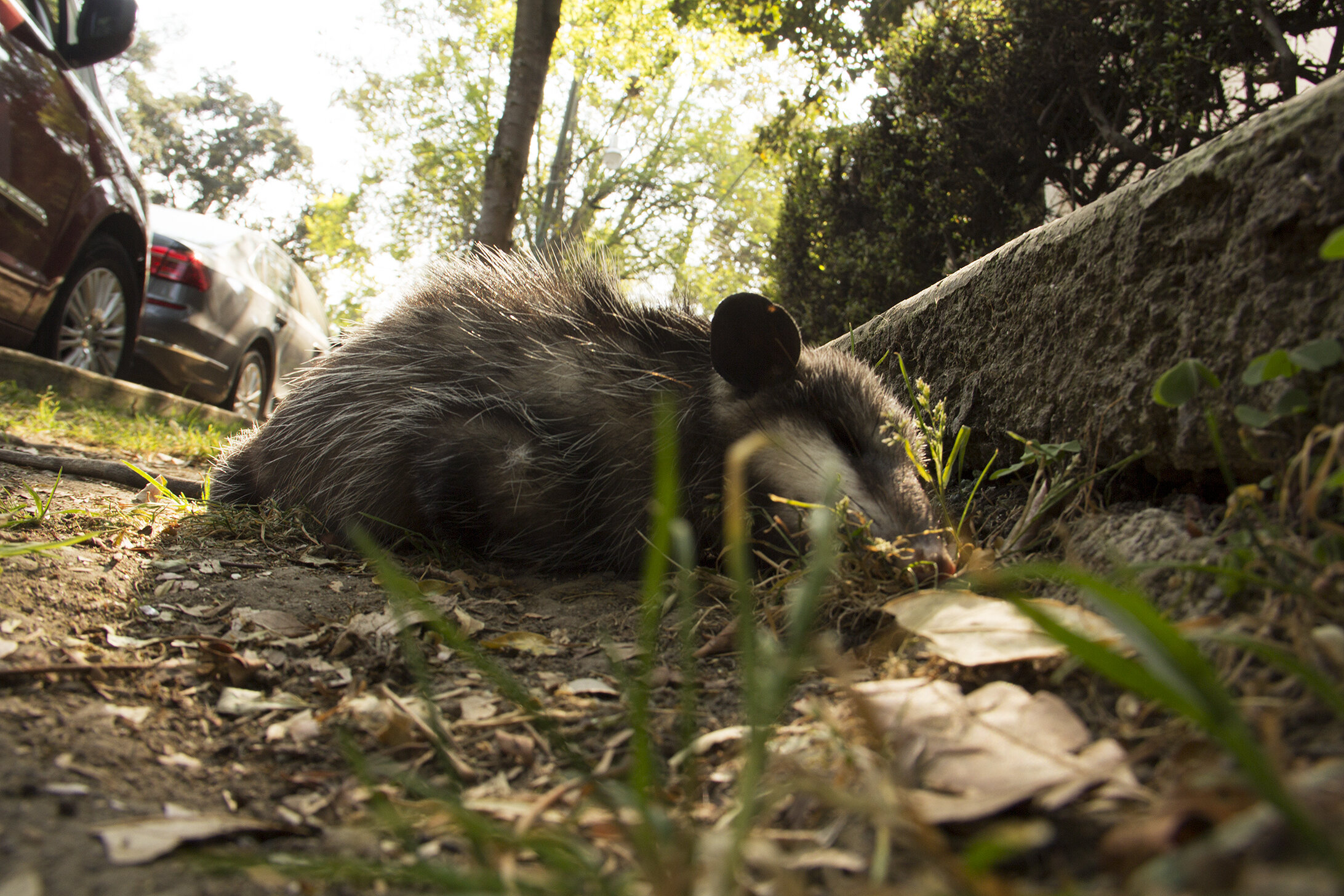
Hace aproximadamente tres años y medio, venía de camino a casa cuando, tristemente, me encontré con un tlacuache muerto que seguramente fue envenenado por un vecino. Al verlo, no pude evitar el sentir impotencia, enojo y muchísima tristeza. Me dí cuenta que aún en esta época seguimos viendo a la fauna silvestre como nuestra enemiga, y me quedé pensando que quizá como fotógrafa había algo más que podría hacer para ayudar a estos animales usando mis fotografías.
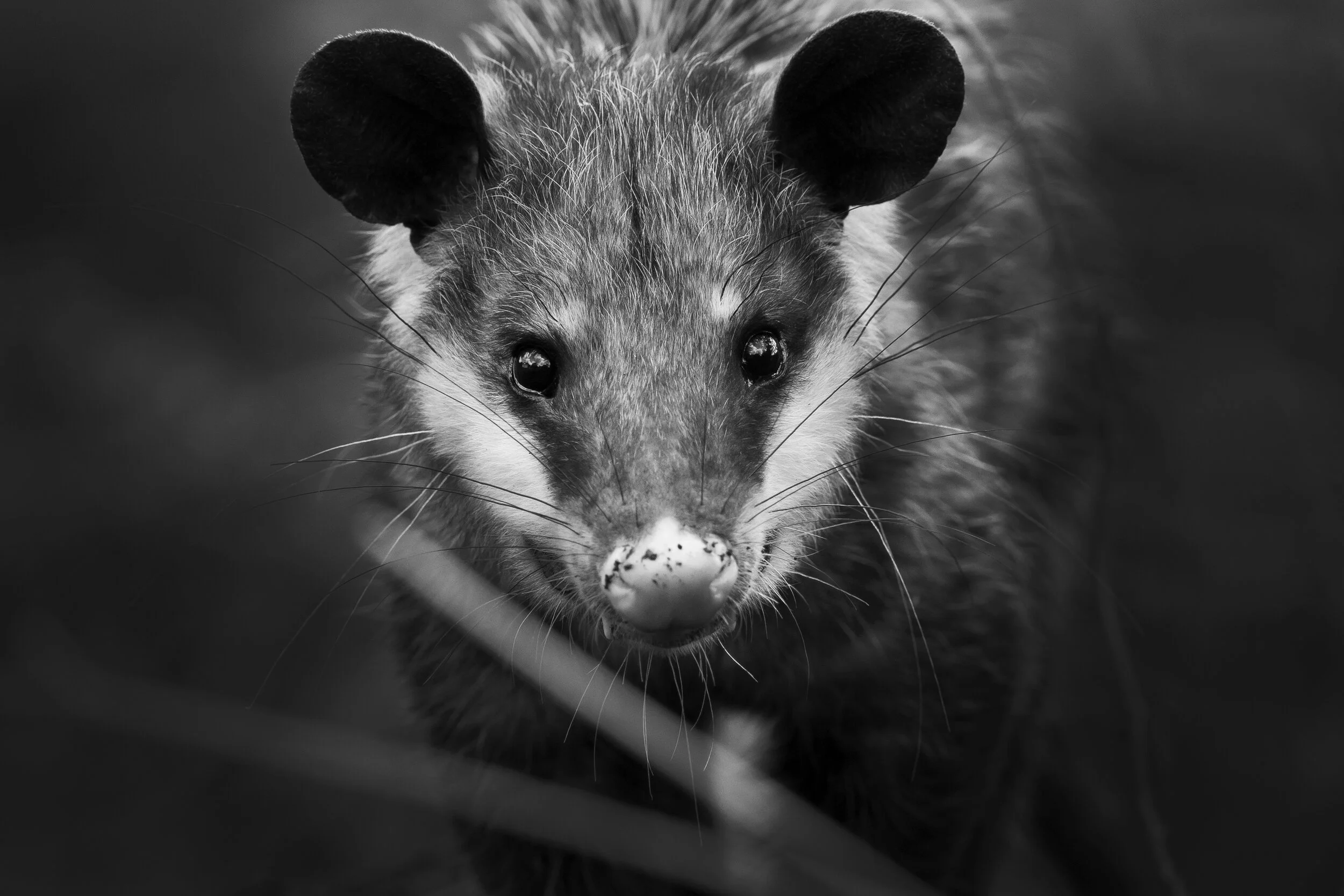
Es por esto que inicié un proyecto llamado “Fauna de la Ciudad de México” en el cual, a través de la fotografía, me dispuse a llevarle a la sociedad la educación ambiental necesaria para cambiar esta situación y crear empatía hacia los animales urbanos. Al menos ese es el objetivo.
Creo que uno de los errores en la conservación ha sido que no somos accesibles con la información y no hemos involucrado a la sociedad lo suficiente en ella. A través de las fotografías y la educación ambiental, no solo es más fácil llevar el conocimiento a todos, sino también inspirar a la gente lo suficiente para que poco a poco decida involucrarse en la conservación de alguna u otra forma.
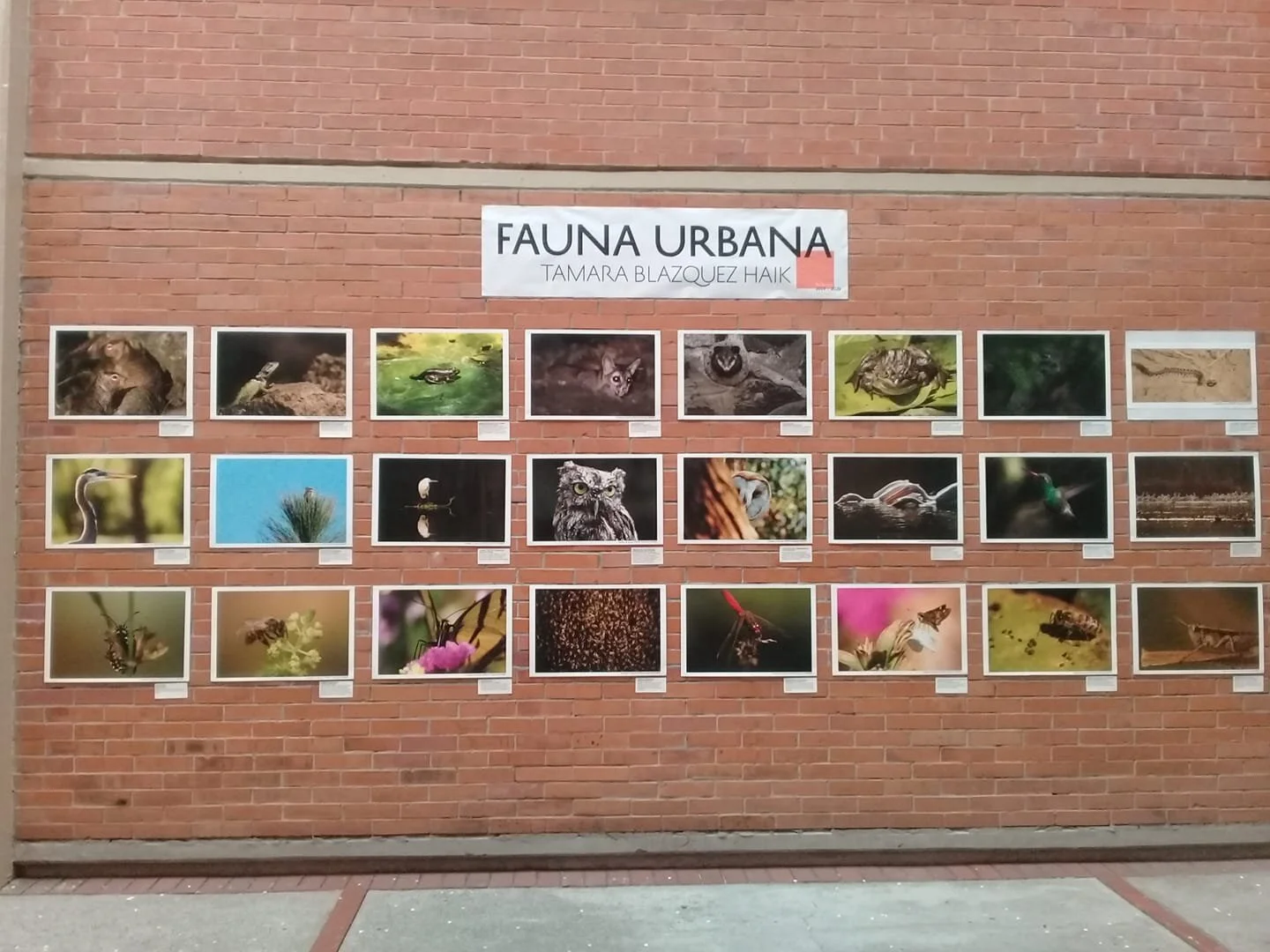
Este proyecto definitivamente ha sido un reto enorme. No es fácil que se abran espacios, como escuelas o centros culturales, para enseñar sobre la naturaleza que nos rodea. Aquí es donde también se vuelve importante tejer redes con otros conservacionistas, medios de comunicación y hasta docentes, ya que estas redes han hecho posible que pueda acercarme a escuelas y espacios públicos para llevar las fotos y la ciencia a distintos sectores de la población a través de exposiciones y talleres educativos.
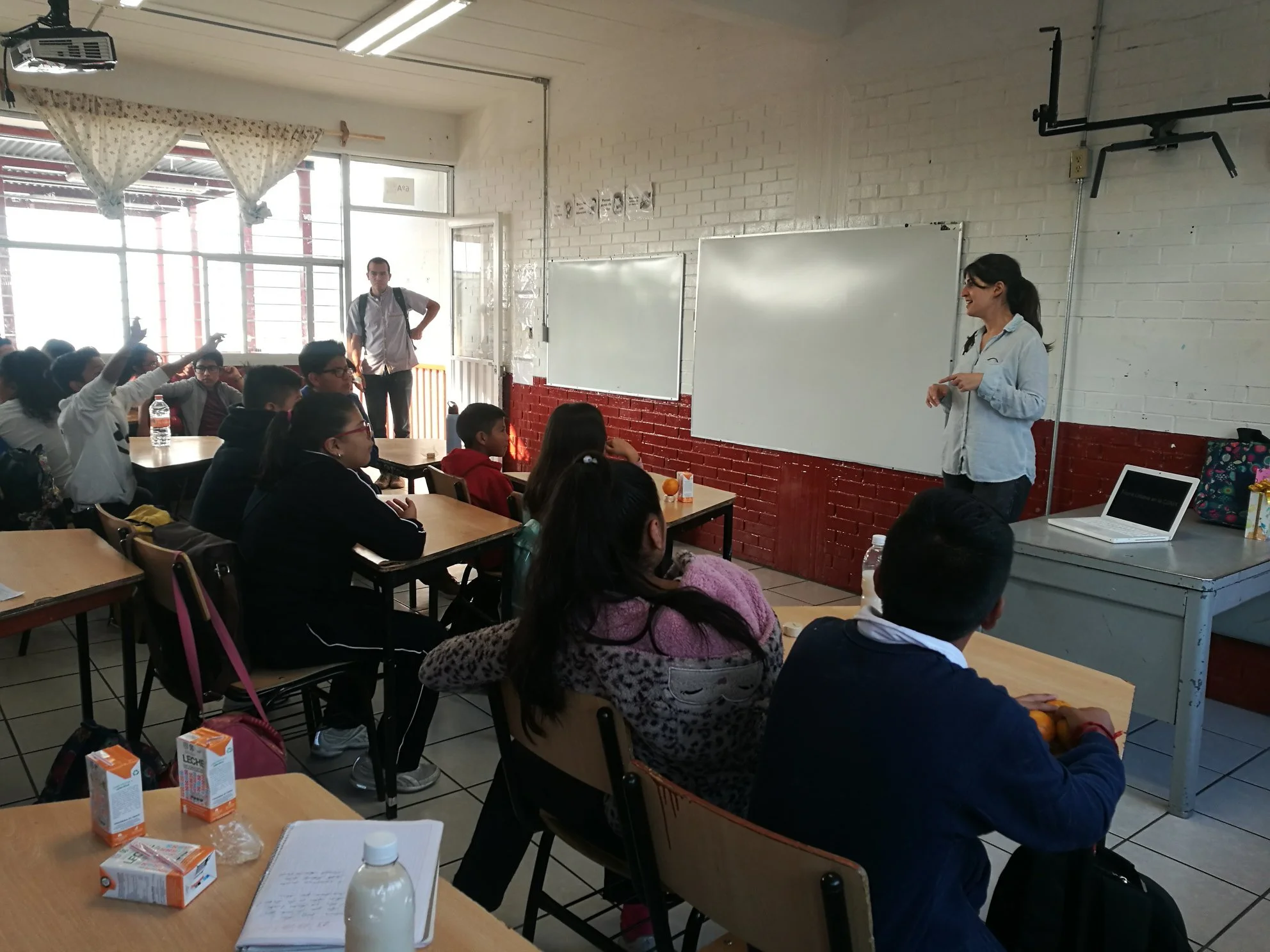
Los talleres educativos en escuelas han sido de las actividades más gratificantes y esperanzadoras. Los niños son, por naturaleza, mucho más empáticos y abiertos a aprender sobre la fauna, así que el poder jugar y compartir con ellos en sus aulas ha sido maravilloso ya que realmente están ansiosos de poder ayudar a su planeta una vez que entienden las problemáticas que estamos enfrentando.
Por supuesto la herramienta que ha probado ser fundamental en este proyecto han sido las fotografías que le han dado un rostro, identidad y voz a los animales, lo que ha facilitado que la gente de conecte con estos seres y sus historias.
La razón por la cual las fotografías logran este efecto es porque cuando fotografío un animal, intento casi siempre centrarme en su rostro y en su mirada. Los humanos somos seres visuales y emotivos, así que al conocer de frente a sus “vecinos” los niños, y también los adultos, se interesan aún más por participar y aprender. Mientras se provocan emociones como empatía e incluso ternura y así se logra una conexión entre el individuo fotografiado y el observador. Bien dicen que no se puede amar lo que no se conoce.
Creo firmemente, que sin educación ambiental, sin involucrar a la población en nuestros esfuerzos, y sin acercarnos a ellos de una manera un poco más íntima usando distintas herramientas, no habrán resultados tangibles y duraderos en la conservación de la biodiversidad. Por eso debemos apostar un poco más a este enfoque educativo y hasta artístico que nos abre distintas puertas para lograr resultados benéficos para la naturaleza y los animales aún en las grandes ciudades.
Imagine that every day you leave your house to look for food and you face hundreds of dangers. Imagine having to run away from people who want to hurt you every day because they don't understand or know anything about you. Imagine that you are a helpless being in a huge city. Imagine that you are an opossum (Didelphis virginiana).
The opossums, as well as hundreds of other species of wildlife that inhabit Mexico City face daily, not only the "normal" dangers of nature like predators, but those imposed by the urbanization and ignorance of a society unaffected by those who are not human.
This city still has relatively preserved areas of forest, rocky areas, and thickets that house 2,254 different wildlife species, so it is common to have these close encounters with them. However, knowledge about coexisting with these species is scarce, if not null.
About three and a half years ago, I was on my way home when, sadly, I came across a dead opossum who was probably poisoned by a neighbor. Seeing him, I couldn't help but feel helplessness, anger and a lot of sadness. I realized that even in this day and age we still see wildlife as our enemy, and I kept thinking that perhaps as a photographer there was something else I could do to help these animals using my photographs.
This is why I started a project called "Wildlife of Mexico City" in which, through photography, I set out to bring to society the environmental education necessary to change this situation and create empathy towards urban animals. At least that's the goal.
I think one of the mistakes in conservation has been that we are not accessible with information and we have not involved society enough. Through photography and environmental education, it is not only easier to bring knowledge to everyone, but also to inspire people enough to gradually decide to get involved in conservation in one way or another.
This project has definitely been a huge challenge. It is not easy to enter spaces, such as schools or cultural centers, to teach about the nature that surrounds us. This is where it also becomes important to network with other conservationists, the media, and even teachers, as these networks have made it possible for me to approach schools and public spaces to bring photos and science to different sectors of the population through of exhibitions and educational workshops.
Educational workshops in schools have been one of the most rewarding and hopeful activities. Children are, by nature, much more empathetic and open to learning about wildlife, so being able to play and share with them in their classrooms has been wonderful as they are really eager to help their planet once they understand the issues. that we are facing.
Of course, the tool that has proven to be fundamental in this project has been the photographs that have given animals a face, identity and voice, which has made it easier for people to connect with these beings and their stories.
The reason why photographs achieve this effect is because when I photograph an animal, I almost always try to focus on its face and its gaze. Humans are visual and emotional beings, so when they meet children, and also adults, in front of their "neighbors", they are even more interested in participating and learning. While emotions such as empathy and even tenderness are provoked and thus a connection is achieved between the photographed individual and the observer. They well say that you cannot love what is not known.
I firmly believe that without environmental education, without involving the community in our efforts, and without approaching them in a slightly more intimate way using different tools, there will be no tangible and lasting results in the conservation of biodiversity. That is why we must bet a little more on this educational and even artistic approach that opens different doors for us to achieve beneficial results for nature and animals, even in big cities.