
Stephanie Anchaluisa
En un mundo con tantas causas por ser defendidas ¿Cómo fue que encontré mi voz para denunciarlas?
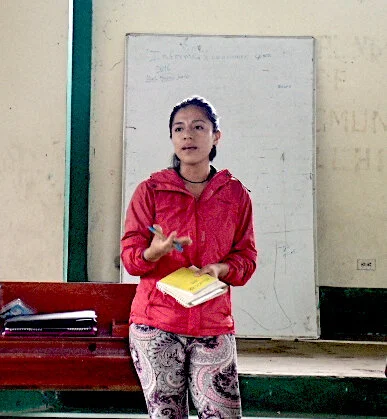
Durante una de las salidas de campo en alguna de las comunidades de la Amazonía ecuatoriana, mi compañero de trabajo y yo manteníamos una conversación con el presidente de la comunidad. Entonces hice una pregunta y el presidente en lugar de responder a mi, dirigió su respuesta y su mirada a mi colega. Ese día supe que mi voz no sería escuchada fácilmente y pronto entendería que no era algo que solo me pasaba a mi. Gracias al trabajo como Ecóloga de campo, tuve la oportunidad de viajar por distintos lugares de mi país y compartir experiencias con gente maravillosa pero sobretodo con mujeres extraordinarias. A pesar que estamos en el siglo XXI, representamos la mitad de la población y somos quienes principalmente sostenemos el hogar, nuestro rol en la construcción del mundo está subestimado. No importa si es la ciudad o el campo, en la familia o el trabajo las mujeres tenemos que reinvindicar una y otra vez nuestros derechos.
Nina Gualinga ©Nina Gualinga
Pero hoy no quiero contarles de esta realidad poco alentadora, hoy quiero compartirles cómo fue que encontré mi voz a través de las historias de estas mujeres amazónicas que tuve la suerte de conocer. Como Doña Mery, quien lideraba el grupo de turismo comunitario en su localidad. No sé qué era más fuerte su determinación o su cuerpo. La recuerdo cargando en la espalda tablones de madera por lo caminos del bosque durante una minka (trabajo colectivo). Era un actividad de mucho esfuerzo físico pero era parte del compromiso con la comunidad. Ella decía: “solo a las personas ancianas o enfermas no se les pide que trabajen en las minkas, el resto tiene que colaborar”. O Doña Nidia quien reclamaba mayor atención para su comunidad, ella decía: “Nos hemos cansado de esperar ayuda del estado por eso nos organizamos en grupos para vigilar las límites del territorio. Nosotros protegemos el bosque porque es nuestra casa”
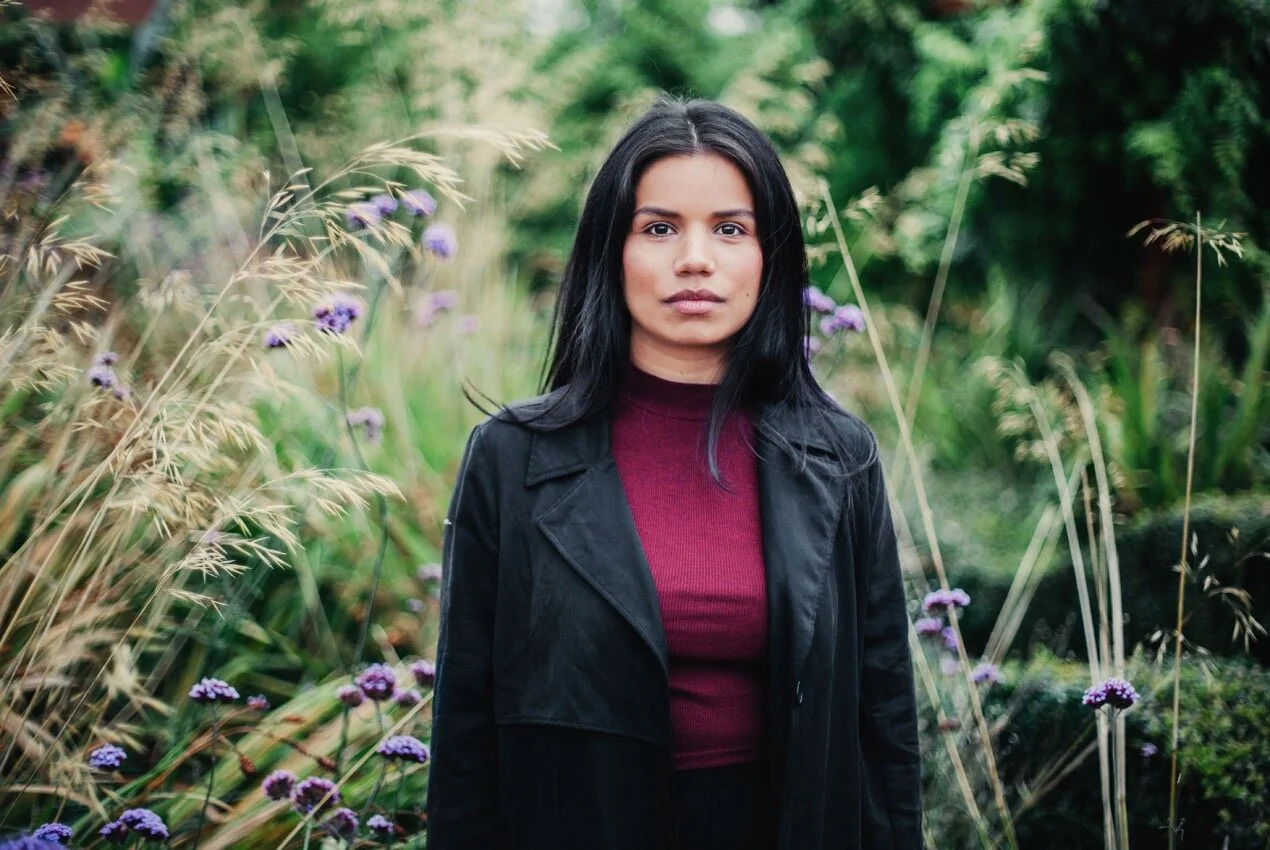
Actualmente las mujeres amazónicas son un referente de resistencia y defensa de la naturaleza y han llegado con su mensaje a distintos lugares del mundo. Esto se evidencia ya que este año Nemonte Nenquimo, mujer waorani ecuatoriana, fue nombrada como una de las 100 personas más influyentes del 2020 por la revista TIME. Esta denominación confirma que la presencia de las mujeres es vital en la toma de decisiones, además que sus voces están siendo escuchadas, sus protestas son reales y sus causas justas. Sin embargo, las mujeres amazónicas han tenido que abrirse camino a lo largo de los años. Uno de los hitos más importantes en la historia de resistencia indígena fue durante el año 2012, ya que después de un largo proceso el pueblo Sarayaku ganó el caso contra el gobierno ecuatoriano por los daños ocasionados por las actividades extractivistas y logró que la petrolera desocupe su territorio. Mujeres como Patricia Gualinga y Nina Gualinga fueron los rostros de esta resistencia. Resulta curioso que durante una entrevista, Patricia cuente que siempre se ha considerado una mujer tímida, así como Nina no se reconoce como activista sino como defensora de su territorio. Ambas coinciden en que esto no ha sido algo que escogieron sino fruto de la necesidad de su pueblo.
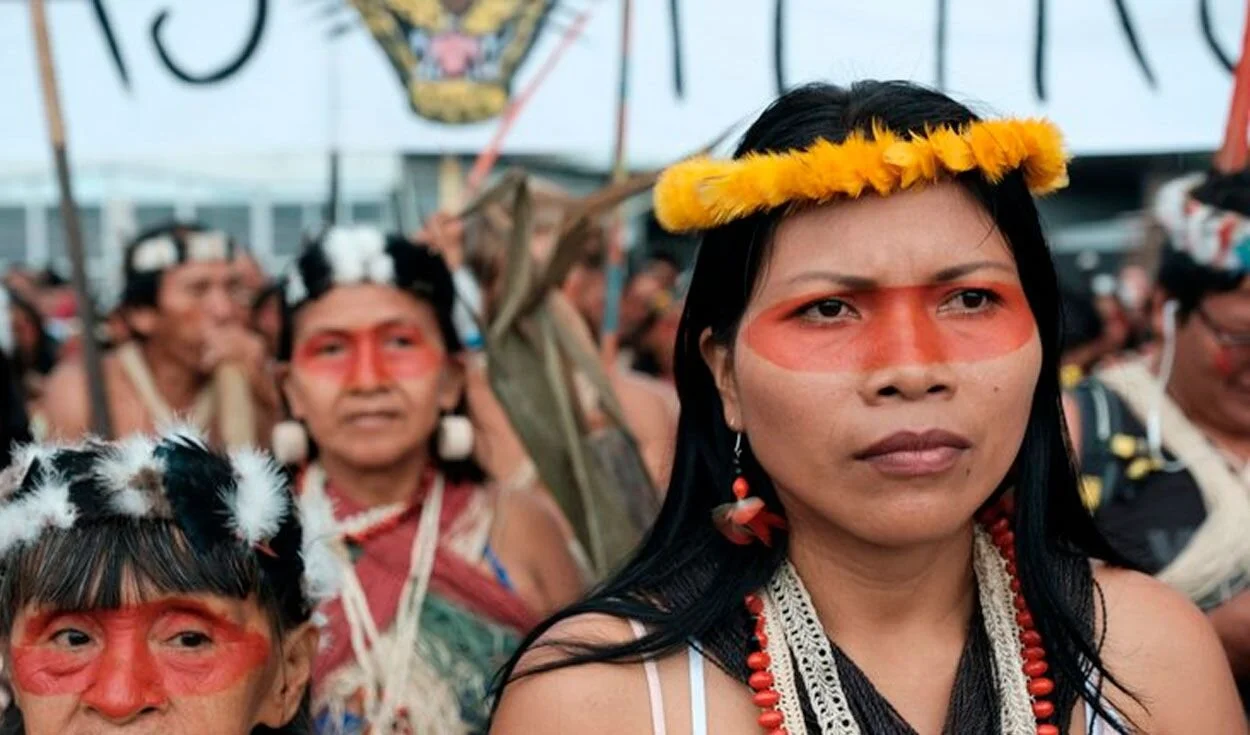
Después de muchos años en que las mujeres hemos tenido un rol secundario y nuestra voz ha sido minimizada, ellas rompen patrones y se atreven a tomar nuevos espacios. Se convierten en liderezas de su pueblo y sacan la voz. Marcan nuevas realidades para todas las que venimos caminando detrás. La cultura patriarcal nos ha enseñado a mantenernos calladas, a creer que nuestra opinión no cuenta, a pensar que las decisiones solo son cosas de hombres. Por eso re-encontrarnos con nuestra voz no es tarea fácil, tenemos mucho que desaprender para reconectarnos con nuestra energía femenina que no busca poder sino consenso. Para denunciar injusticias no es necesario ser expertas sino comunicar desde la experiencia propia. Estoy segura que muchas mujeres aquí tienen tanto que compartir. Es por ello que el vínculo de las mujeres y la conservación de la naturaleza es de los más bellos que he podido encontrar. Estamos aquí para colaborar y para vernos reflejadas en el proceso de la otra, el éxito de una es el éxito de todas.
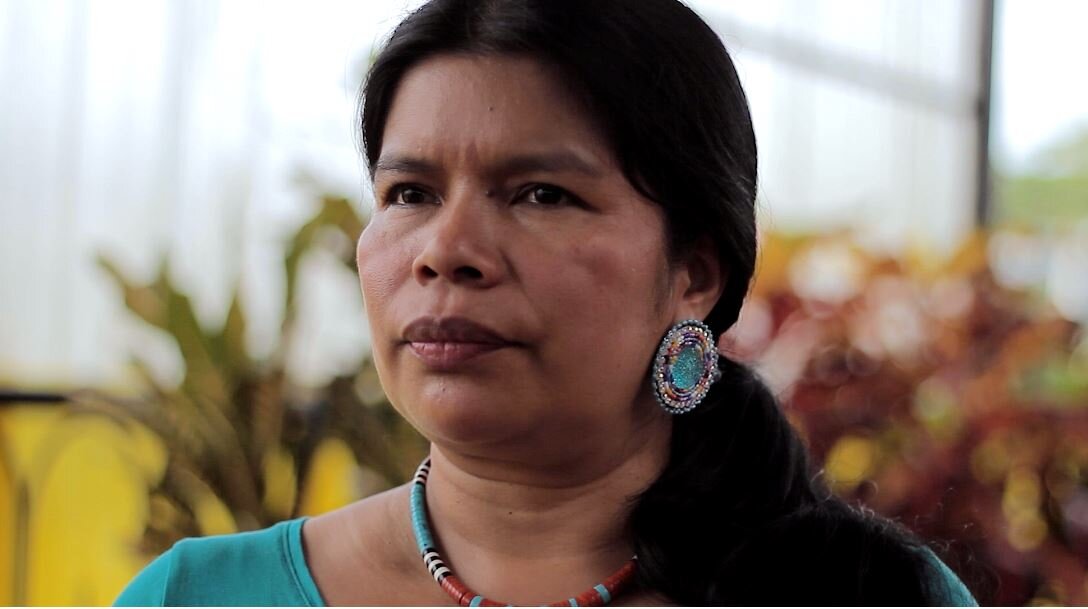
Patricia Gualinga ©Samantha Garrido de La Periodica
Volviendo a mi pregunta inicial ¿cómo fue que encontré mi voz? Definitivamente conectar con estas sinchi warmikuna (mujeres guerreras) construyó en mi mente nuevos referentes, ya que ahora me queda claro que hablar alto y fuerte no mide la eco de tus palabras sino que siempre será más importante el mensaje que queremos entregar. Las voces de las mujeres amazónicas y su lucha me motivan cada día a no abandonar mi compromiso de crear un mundo más justo y sostenible.
In a world with so many causes to be defended, how did I find my voice to denounce them?
During one of the field trips in one of the communities of the Ecuadorian Amazon, my coworker and I had a conversation with the president of the community. So I asked a question and the president instead of answering me, directed his answer and his gaze to my colleague. That day I knew that my voice would not be easily heard and soon I would understand that it was not something that only happened to me. Thanks to my work as a field ecologist, I had the opportunity to travel to different parts of my country and share experiences with wonderful people but especially with extraordinary women. Although we are in the 21st century, we represent half the population and we are the ones who mainly support the home, our role in building the world is underestimated. It does not matter if it is the city or the country, in the family or at work, women have to claim our rights over and over again.
But today I do not want to tell you about this little encouraging reality, today I want to share with you how I found my voice through the stories of these Amazonian women that I was lucky to meet. Like Doña Mery, who led the community tourism group in her town. I don't know which was stronger her determination or her body. I remember her carrying wooden planks on her back along the forest paths during a minka (collective work). It was an activity of great physical effort but it was part of the commitment to the community. She said: "only the elderly or sick are not asked to work in the minkas, the rest have to collaborate." Or Doña Nidia, who demanded more attention for her community, she said: “We have tired of waiting for help from the state, so we organize ourselves in groups to monitor the limits of the territory. We protect the forest because it is our home "
Currently, Amazonian women are a benchmark for resistance and defense of nature and have reached different parts of the world with their message. This is evidenced by the fact that this year Nemonte Nenquimo, an Ecuadorian Waorani woman, was named one of the 100 most influential people of 2020 by TIME magazine. This denomination confirms that the presence of women is vital in decision-making, as well as that their voices are being heard, their protests are real and their causes are just. However, Amazonian women have had to make their way over the years. One of the most important milestones in the history of indigenous resistance was during 2012, since after a long process the Sarayaku people won the case against the Ecuadorian government for the damages caused by extractivist activities and managed to have the oil company vacate its territory. Women like Patricia Gualinga and Nina Gualinga were the faces of this resistance. It is curious that during an interview, Patricia tells that she has always considered herself a shy woman, just as Nina does not recognize herself as an activist but as a defender of her territory. Both agree that this has not been something they chose but the result of the need of their people.
After many years in which women have had a secondary role and our voice has been minimized, they break patterns and dare to take new spaces. They become leaders of their people and speak out. They mark new realities for all of us who have been walking behind. Patriarchal culture has taught us to keep quiet, to believe that our opinion does not count, to think that decisions are only men's things. That is why re-meeting with our voice is not an easy task, we have a lot to unlearn to reconnect with our feminine energy that does not seek power but consensus. To denounce injustices it is not necessary to be experts but to communicate from your own experience. I'm sure many women here have so much to share. That is why the bond between women and the conservation of nature is one of the most beautiful I have been able to find. We are here to collaborate and to see ourselves reflected in the process of the other, the success of one is the success of all.
Going back to my initial question, how did I find my voice? Definitely connecting with these sinchi warmikuna (warrior women) built new references in my mind, since now it is clear to me that speaking loud and clear does not measure the echo of your words but that the message we want to deliver will always be more important. The voices of Amazonian women and their struggle motivate me every day not to abandon my commitment to create a more just and sustainable world.