
Francy Forero Sánchez
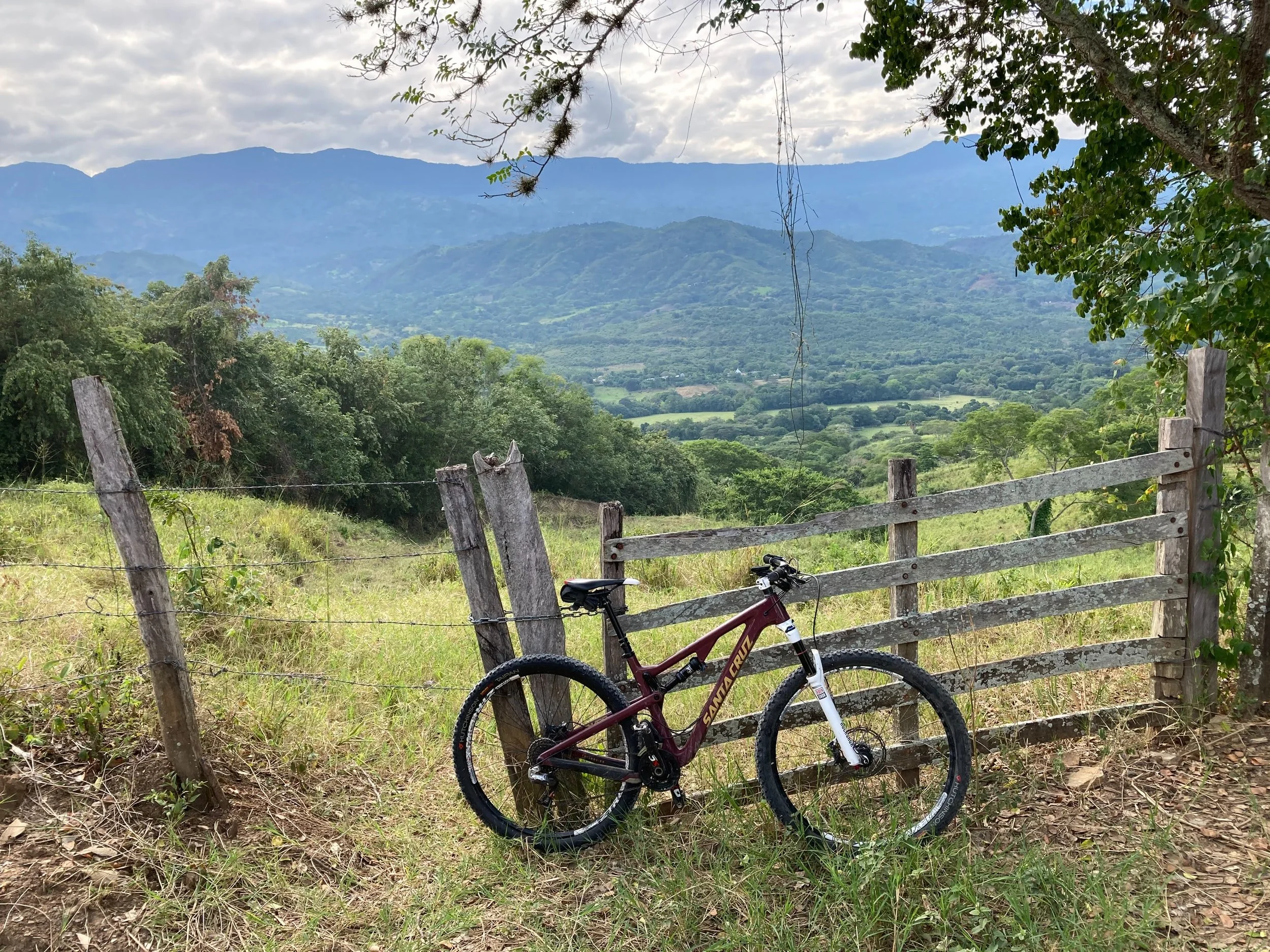
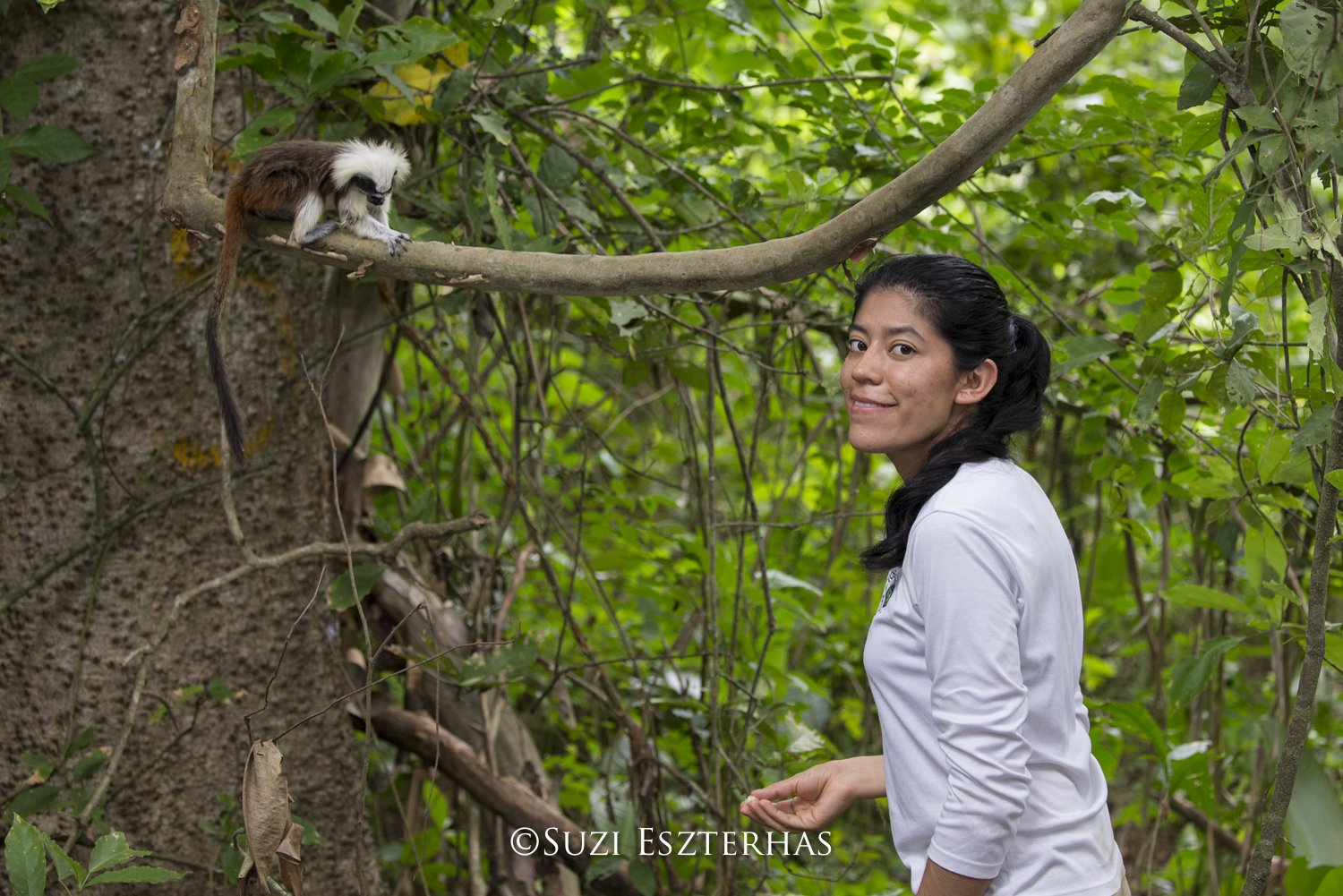
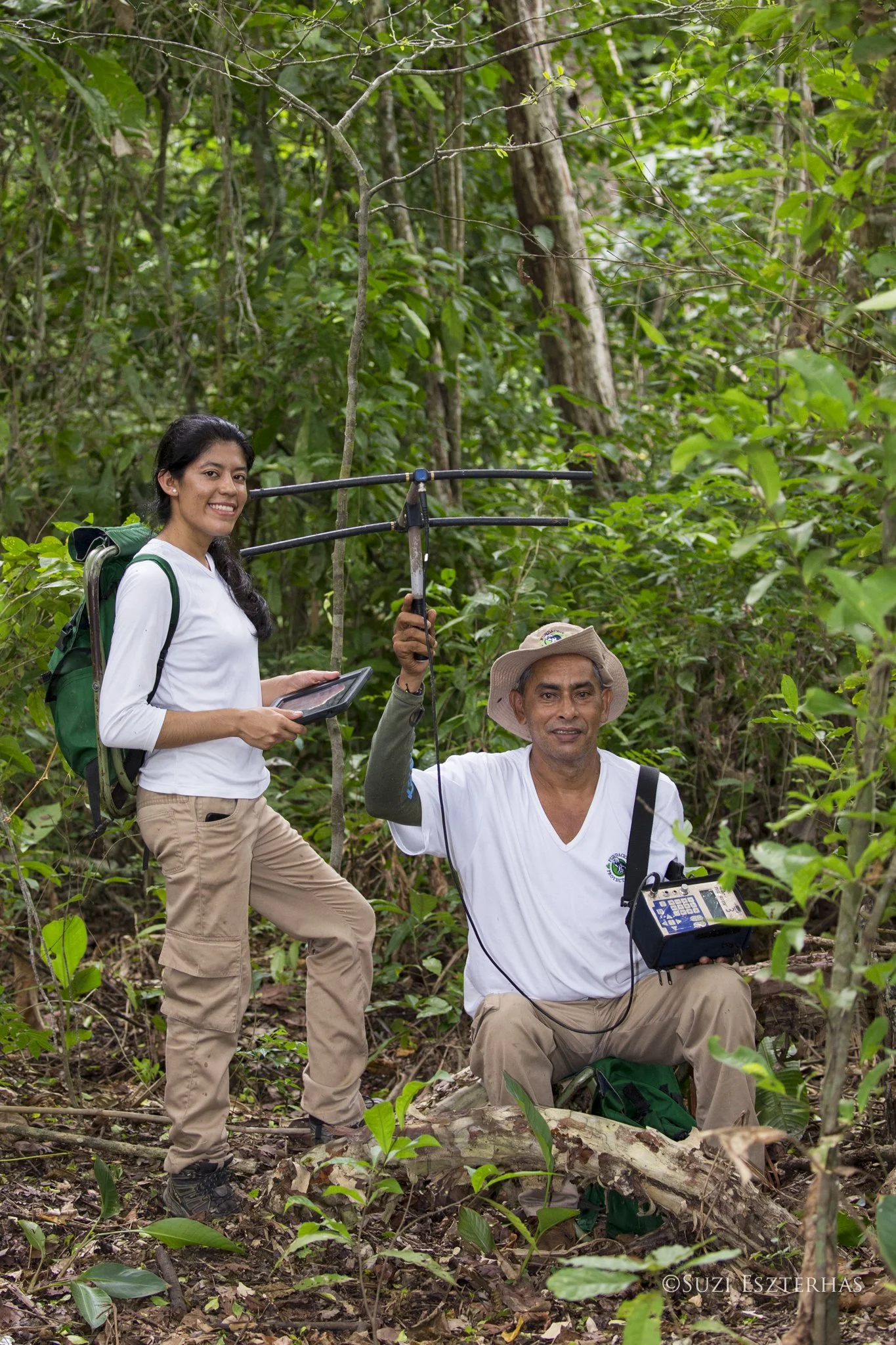
Soy primatóloga y conservacionista de profesión y vocación. Me hace realmente feliz despertarme temprano porque me espera toda mi indumentaria: mis botas, mi morral, mi cámara fotográfica y claro, mi amada libreta de campo. Esa felicidad persiste aún cuando el desplazamiento demanda tiempo y energía, como horas de espera para tomar el avión, luego varios kilómetros por carretera, recorridos en jeeps por las trochas, para terminar a pie por caminos de herradura. Aún con la complicada logística, me siento totalmente plena cuando el final del recorrido es una comunidad aledaña a un bosque.
La mayor parte de esas comunidades no tiene un sistema de acueducto, ni recolección de basuras; la electricidad falla cada vez que llueve y es habitual pasar días enteros sin este servicio esencial; lugares donde la única calle pavimentada está en la plaza central, al frente de la alcaldía; lugares donde la señal del celular y el internet son lujo y donde el trabajo formal es un privilegio de pocos. Lugares donde parece que el tiempo se hubiera detenido. Para quienes hemos crecido en ciudades, nos es difícil comprender cómo los niños que quieren ir a la escuela deben pasar un par de horas montados al lomo de una mula o caminan largas distancias para acceder a la educación formal.

Sin embargo, son estas comunidades aledañas a los bosques, las que permiten que las ciudades se provean de alimentos, de estas comunidades provienen fibras y tejidos para la producción textil, poseen grandes reservorios hídricos y surten de agua a las grandes ciudades; es de allí donde se obtienen las diferentes materias primas para la fabricación de medicinas y minerales para el desarrollo tecnológico. Estas comunidades permiten el desarrollo de las grandes ciudades e industrias y en contraste son las poblaciones más vulnerables.
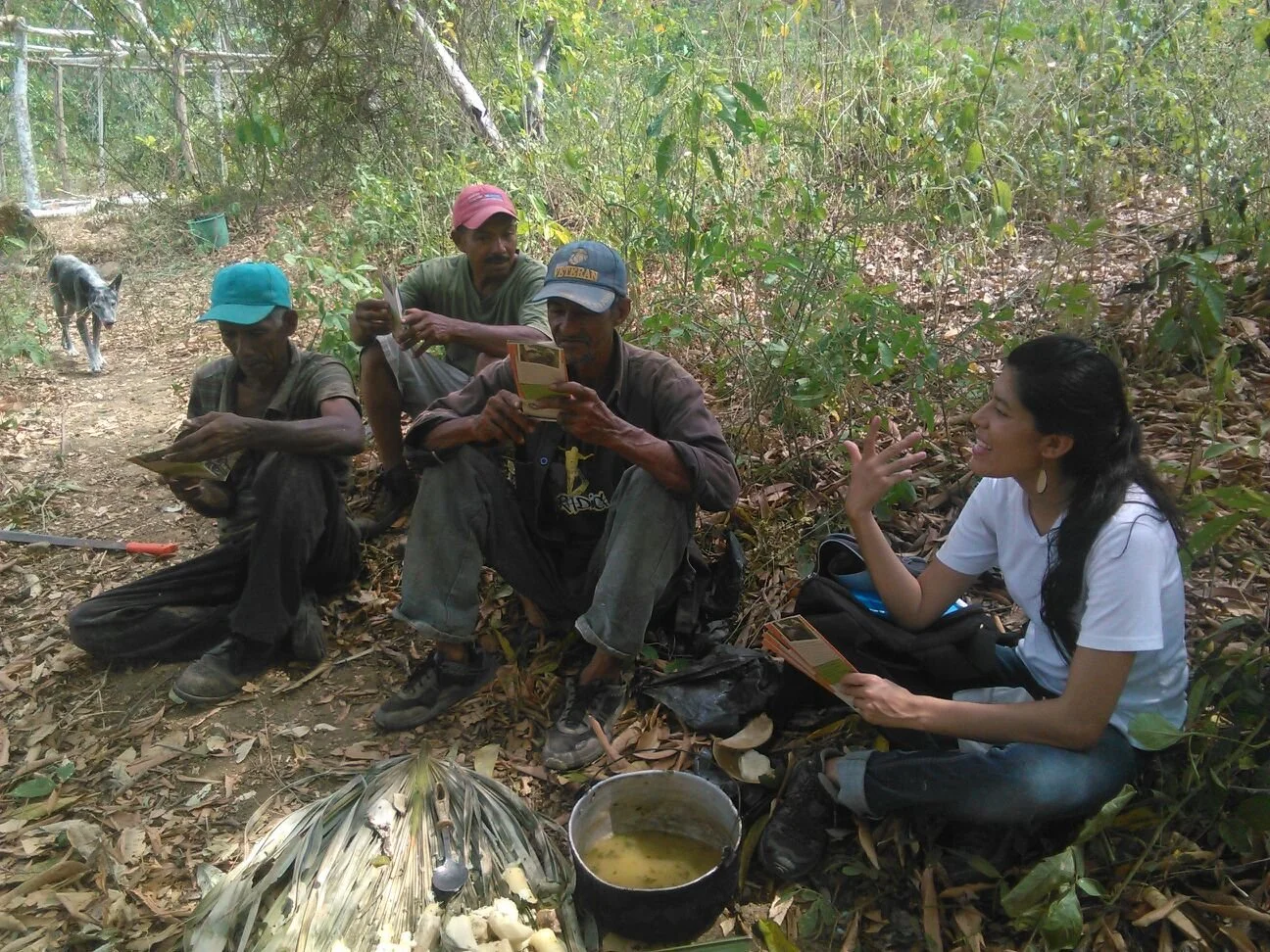
He podido apreciar esta realidad de nuestras comunidades campesinas, porque por mi trabajo he tenido que vivir en ellas. Viviendo en las comunidades rurales es donde he aprendido el valor real de cada alimento que llega a mi mesa, porque he visto a los campesinos sacar en sus hombros bultos de ñame, yuca o café, todo por que las vías están en mal estado y eso aumenta el costo del transporte, haciéndolo imposible de pagar. He llegado a casas campesinas y mientras tomamos café hecho en fogón de leña, he escuchado sus historias (sin reclamos, ya mas bien acostumbrados) sobre la pérdida de sus cosechas por eventualidades climáticas; el sufrimiento con el cambio de clima, lo que afecta directamente su producción; la pérdida de sus cultivos debido a las catástrofes ambientales; la falta de oportunidades para sus hijos, quienes terminan viajando a las ciudades más cercanas para emplearse, porque en el campo no hay garantías ni un futuro promisorio para ellos. Esa es la realidad de nuestro campo y ahí yo me cuestiono: ¿Cuál es nuestro papel como conservacionistas?
La biología de la conservación, surge debido a la pérdida acelerada de la biodiversidad. Para contrarrestar esos impactos en nuestro patrimonio natural, la biología de la conservación busca implementar medidas de protección de hábitats y toda la biodiversidad que albergan; educación y desarrollo comunitario. Con la bandera de la conservación de especies en peligro de extinción, buscamos mejorar las condiciones de vida de los pobladores rurales, que dejan de entrar a los bosques a obtener recursos y de esta manera ayudan a proteger las especies que allí se encuentran. Buscamos que las personas de las ciudades conozcan sobre las historias de nuestros campesinos, esos eventos que a veces parecen lejanos y surreales o dignos ejemplos de un realismo mágico. Con la bandera de la conservación, proclamamos la empatía por nuestra biodiversidad y por los productores rurales.
Sin embargo, no es un poder que tenemos sólo tenemos los conservacionistas. Yo vivo orgullosa de mis familiares que han venido adoptando ese poder del cambio, con pequeños hábitos diarios, que no nos cuestan mucho y sí impactamos positivamente la vida de esos campesinos y claro, mantenemos en pie nuestros bosques tropicales. Pequeños cambios como comprar la mayoría de nuestros productos a los productores rurales de nuestra ciudad, en las plazas de mercado o al vecino que pasa vendiendo sus productos en la calle; comprar solamente lo que vamos a preparar y consumir; no desperdiciar (comida, agua, electricidad); reducir el consumo de carne; pensar dos veces antes de comprar cualquier producto; consumir preferiblemente los alimentos en cosecha y apoyar los proyectos de conservación cuyos trabajos mejoran la calidad de vida de los campesinos.
Viviendo en campo he aprendido a preocuparme más por la manera en como viven los otros y cómo mis acciones siempre tienen un impacto directo en sus vidas. No soy conservacionista solamente porque trabajo investigando primates en campo, yo soy conservacionista porque mis hábitos ayudan a preservar esos bosques de los que mi vida depende. Y sus hábitos ¿lo hacen un conservacionista también? Nunca es tarde para comenzar.
I am a primatologist and conservationist by profession and vocation. It makes me really happy to wake up early because all my clothes are waiting for me: my boots, my backpack, my camera and of course, my beloved field notebook. That happiness persists even when the journey demands time and energy, such as hours of waiting to catch the plane, then several kilometers by road, traveling in jeeps along the trails, to finish on foot along dirt roads. Even with the complicated logistics, I feel totally fulfilled when the end of the tour is a community bordering a forest.
Most of these communities do not have an aqueduct system or garbage collection; electricity fails every time it rains and it is common to spend entire days without this essential service; places where the only paved street is in the central square, in front of the mayor's office; places where the cell phone signal and the internet are luxury and where formal work is a privilege of few. Places where it seems that time has stopped. For those of us who have grown up in cities, it is difficult for us to understand how children who want to go to school must spend a couple of hours on the back of a mule or walk long distances to access formal education.
However, it is these communities bordering the forests that allow the cities to provide themselves with food, fibers and fabrics for textile production come from these communities, they have large water reservoirs and supply water to the large cities; It is from there that the different raw materials for the manufacture of medicines and minerals for technological development are obtained. These communities allow the development of large cities and industries and in contrast are the most vulnerable populations.
I have been able to appreciate this reality of our local communities, because for my work I have had to live in them. Living in rural communities is where I have learned the real value of each food that reaches my table, because I have seen the peasants carry bundles of yams, cassava or coffee on their shoulders, all because the roads are in poor condition and it increases the cost of transportation, making it impossible to pay. I have come to rural houses and while we drink coffee made on a wood stove, I have listened to their stories (without complaints, rather accustomed now) about the loss of their crops due to climatic eventualities; suffering from climate change, which directly affects their production; the loss of their crops due to environmental catastrophes; the lack of opportunities for their children, who end up traveling to the nearest cities to get jobs, because in the countryside there are no guarantees or a promising future for them. That is the reality of our field and there I question myself: What is our role as conservationists?
Conservation biology arises due to the accelerated loss of biodiversity. To counteract these impacts on our natural heritage, conservation biology seeks to implement measures to protect habitats and all the biodiversity they harbor; education and community development. With the banner of the conservation of endangered species, we seek to improve the living conditions of rural residents, who stop entering the forests to obtain resources and thus help protect the species found there. We want the people of the cities to know about the stories of our locals, those events that sometimes seem distant and surreal or worthy examples of magical realism. With the flag of conservation, we proclaim empathy for our biodiversity and for rural producers.
However, it is not a power that only conservationists have. I live proud of my relatives who have been adopting that power of change, with small daily habits, which do not cost us much and we do have a positive impact on the lives of these peasants and of course, we keep our tropical forests standing. Small changes such as buying most of our products from rural producers in our city, in the marketplace, or from neighbors who pass by selling their products on the street; buy only what we are going to prepare and consume; not waste (food, water, electricity); reduce meat consumption; think twice before buying any product; preferentially consume harvested food and support conservation projects whose work improves the quality of life of peasants.
Living in the countryside I have learned to care more about the way others live and how my actions always have a direct impact on their lives. I am not a conservationist just because I work researching primates in the field, I am a conservationist because my habits help preserve those forests on which my life depends. And his habits make him a conservationist too? It's never too late to start.