
Daniela Sánchez Aroche
Doctora en Historia y Etnohistoria, ENAH
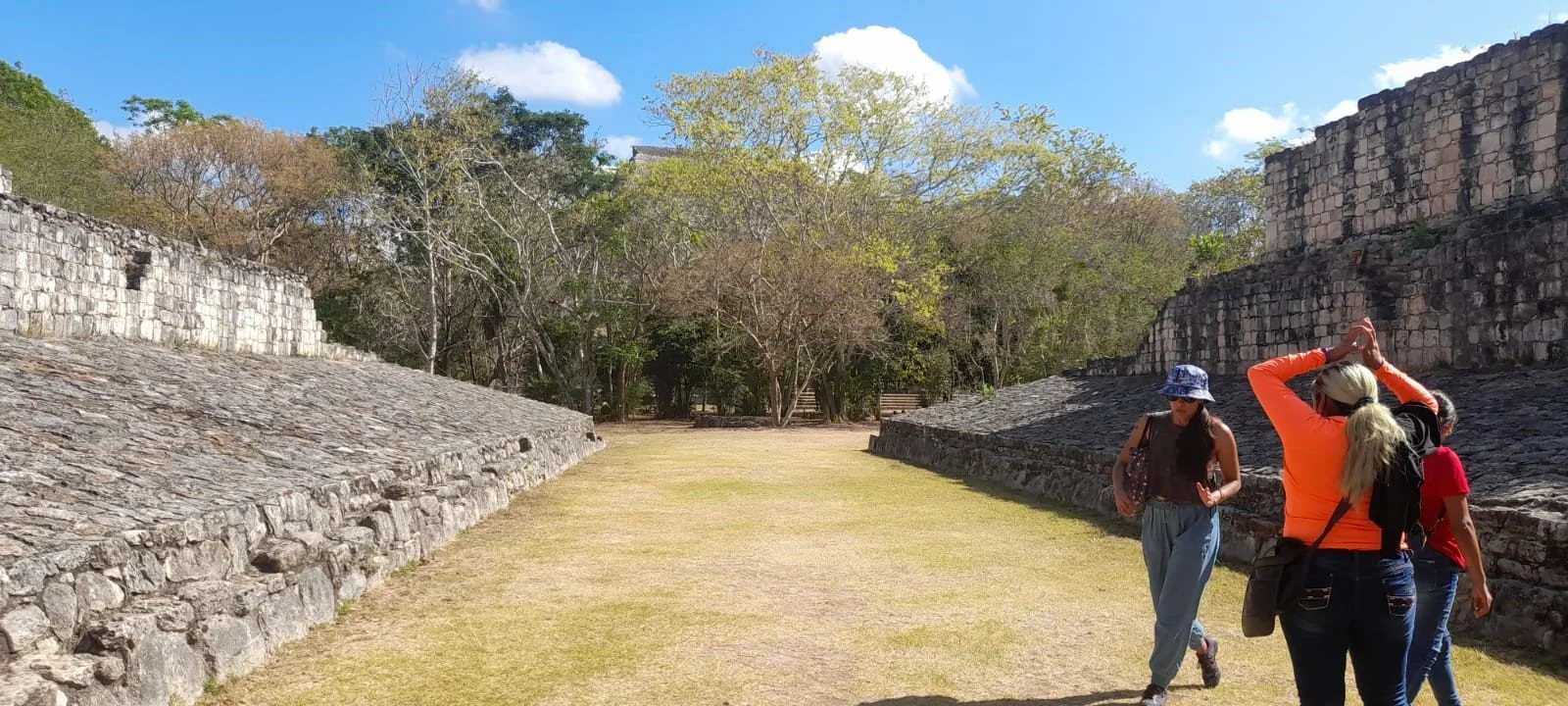
¿Sabes qué es el patrimonio? Yo desconocía esta palabra hasta que ingresé a la Escuela Nacional de Antropología e Historia. Aquí comencé mi camino, pues, pese al desagrado de mi familia, inicié mis estudios en Etnohistoria, una disciplina que me sirvió para comprender la importancia de estudiar y conservar los conocimientos y expresiones culturales de los grupos amerindios. Por ello, opté por realizar mis estudios en el área maya, pues desde pequeña, mis padres nos llevaron a conocer muchos de los lugares que conforman este magno territorio.
Si bien he tratado de contribuir en la construcción de una historia de dicha región, me enfrenté al desafío de aprender una lengua diferente a la mía, además, adaptarme al medio ambiente selvático y extremo. Gracias al apoyo de mi querido profesor Ernesto Vargas Pacheco, logré ingresar a comunidades herederas de un pasado glorioso, construido a través de un levantamiento armado en el cual, los mayas de la selva oriental yucateca exigían autonomía para continuar con una vida dedicada a la conservación del medio natural.
El camino no ha sido sencillo, pero, a través de numerosos viajes, andanzas y recorridos por veredas antiguas, selvas con especies de árboles como el milenario Yaxché, Balche´, Ya´, entre otros. He sido muy afortunada en presenciar ceremonias y rituales dedicados a las potencias que rigen la naturaleza, los dueños y señores del monte. Estas experiencias me han sensibilizado y me han dado ideas para tratar de incorporar mis estudios al cuidado y conservación no solo de los aspectos culturales sino también de los ecosistemas presentes en Quintana Roo.
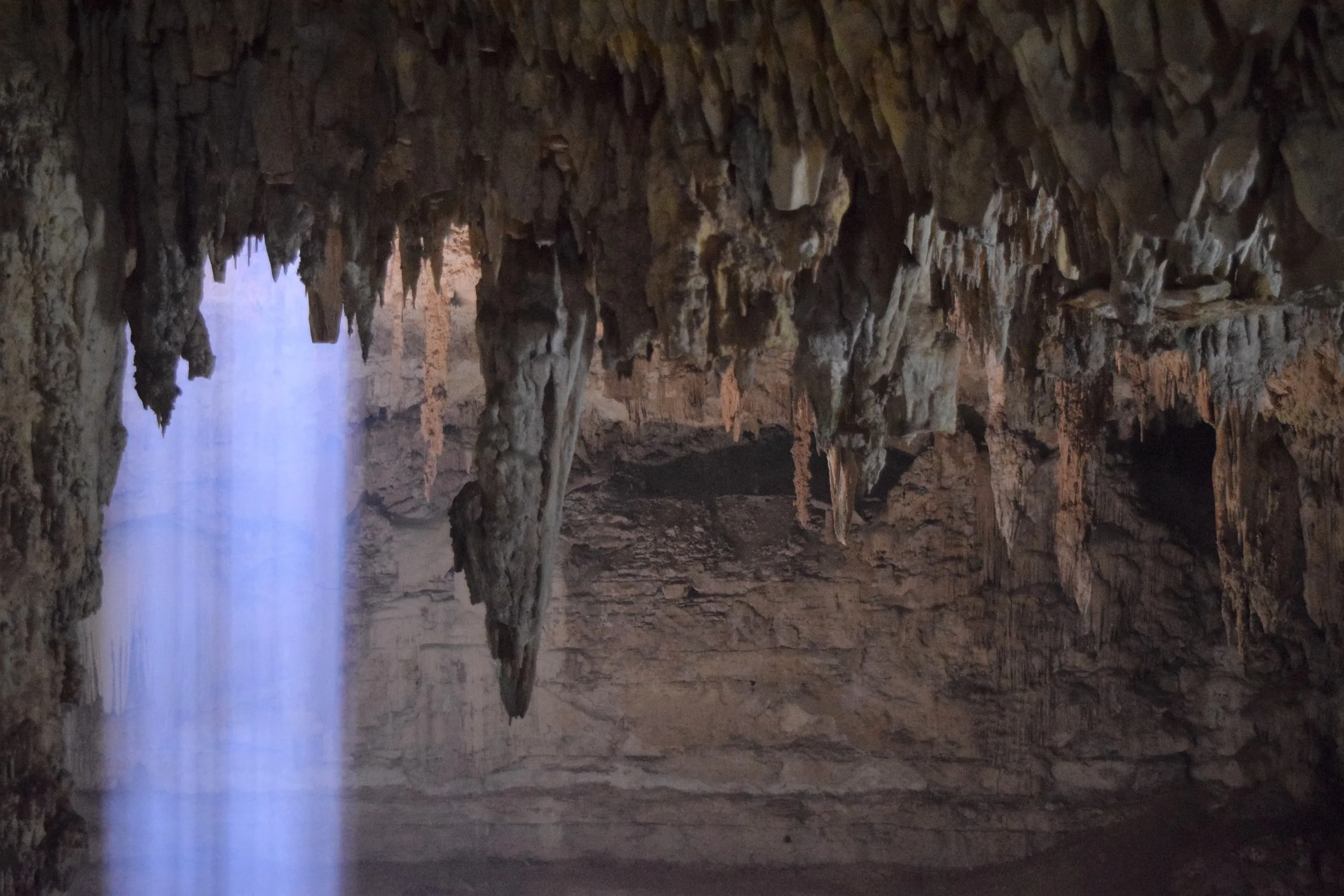
En la actualidad, Quintana Roo, México es un estado reconocido por sus atractivos turísticos pero también, por su biodiversidad: los cenotes, las cuevas y los hábitats que he conocido a través de recorridos en comunidades me han permitido reflexionar en la estrecha relación entre el hombre y la naturaleza, pues existen evidencias datadas en épocas prehistóricas. Muchas de las instituciones dedicadas a la preservación y difusión del patrimonio han enriquecido mis conocimientos a través de investigaciones y publicaciones, siendo estas herramientas que me permiten mantenerme actualizada.
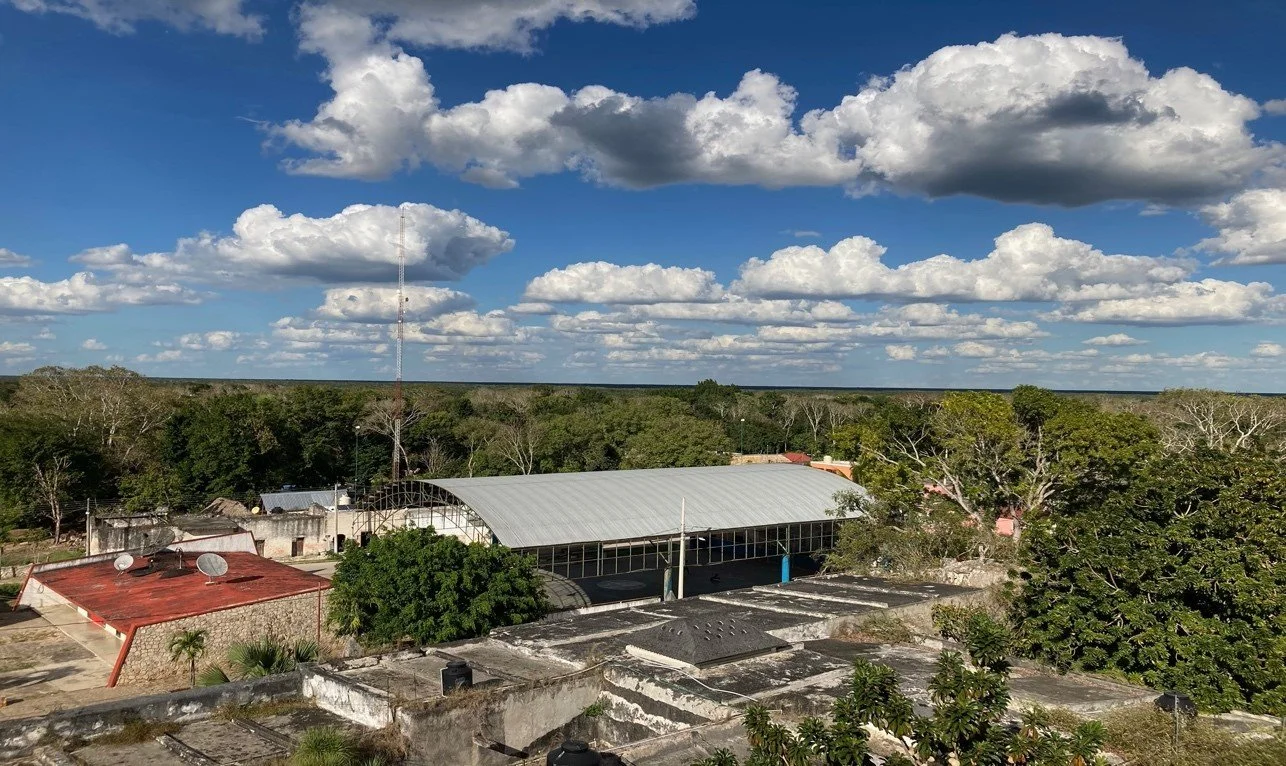
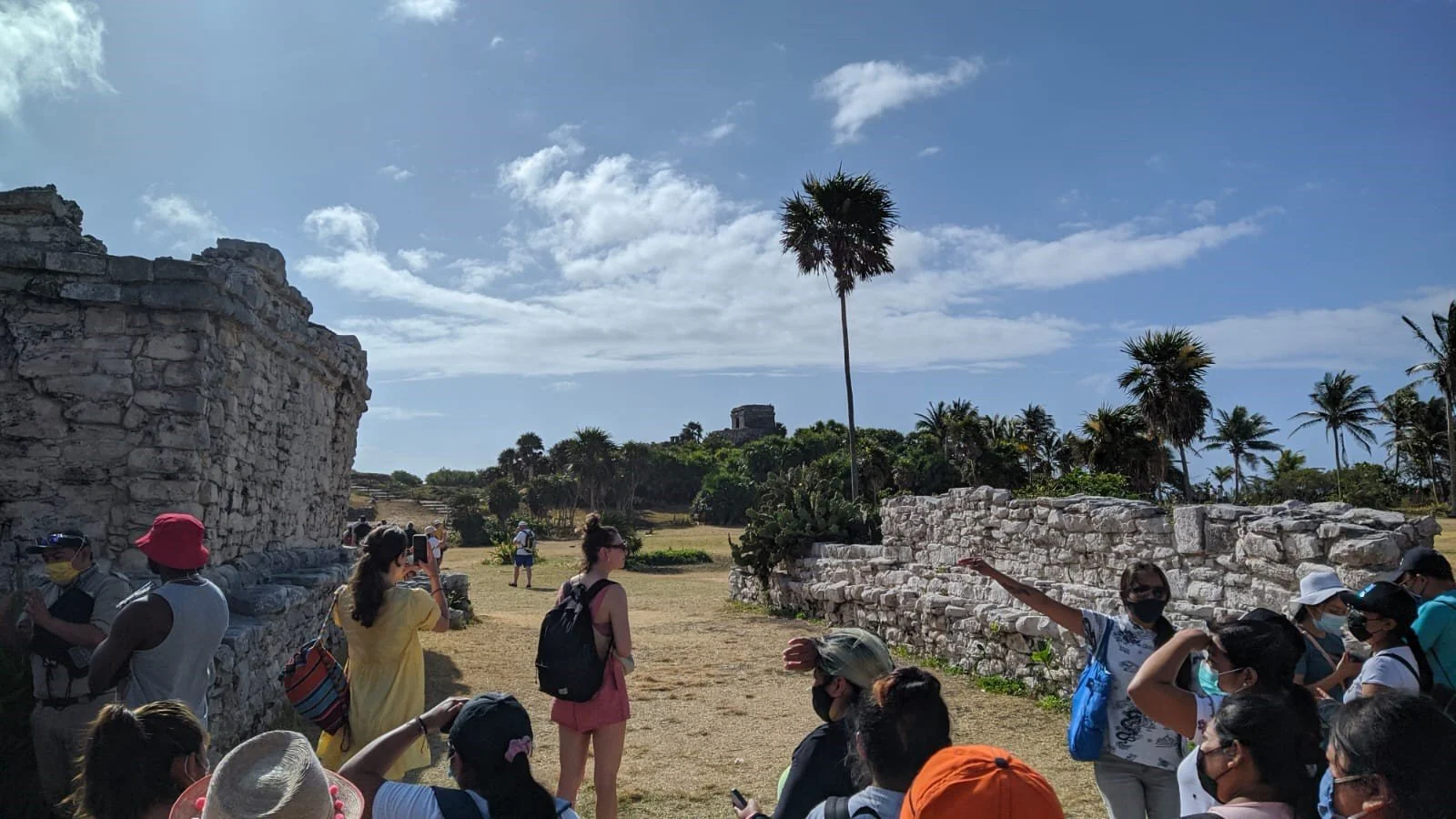
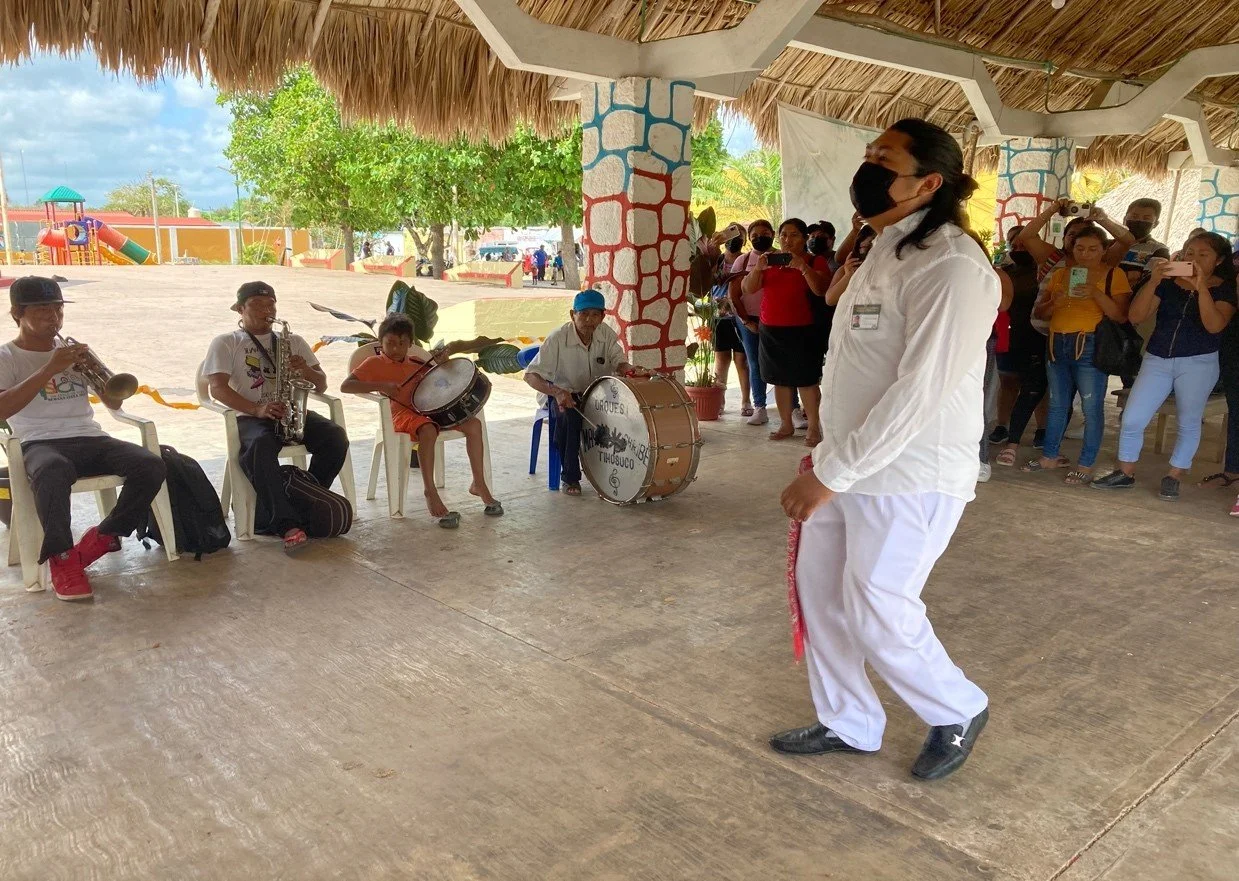
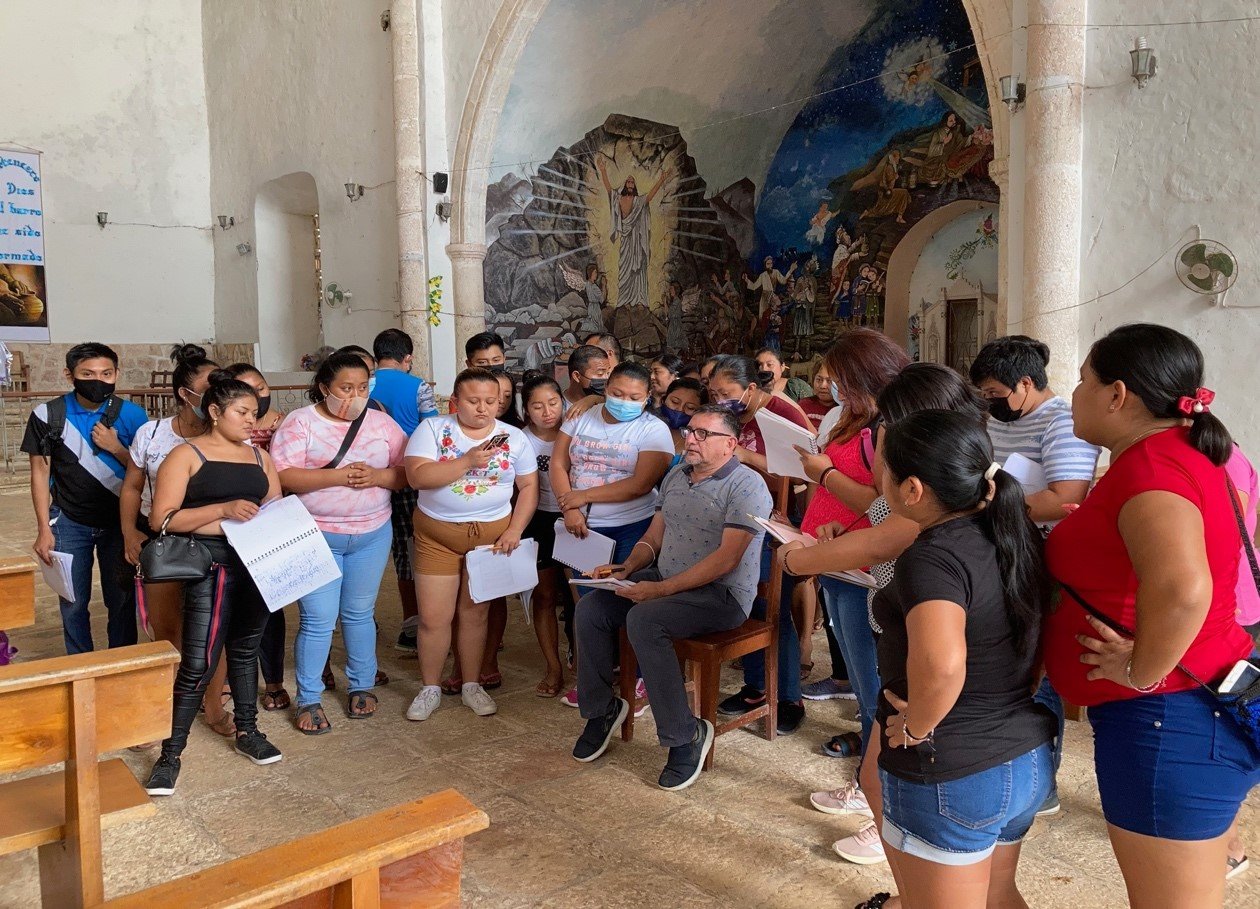
Hace ya tres años, al concluir mis estudios de doctorado, comencé a buscar trabajo y, la realidad es que encontré un espacio laboral que me ha ayudado a tener un acercamiento directo con las comunidades que yo estudiaba y conocía en libros. El trabajo etnográfico que estoy realizando a partir de mi labor como docente universitaria me ha ayudado a entender el papel de la historia y la antropología en el desarrollo y conservación del patrimonio cultural y natural.
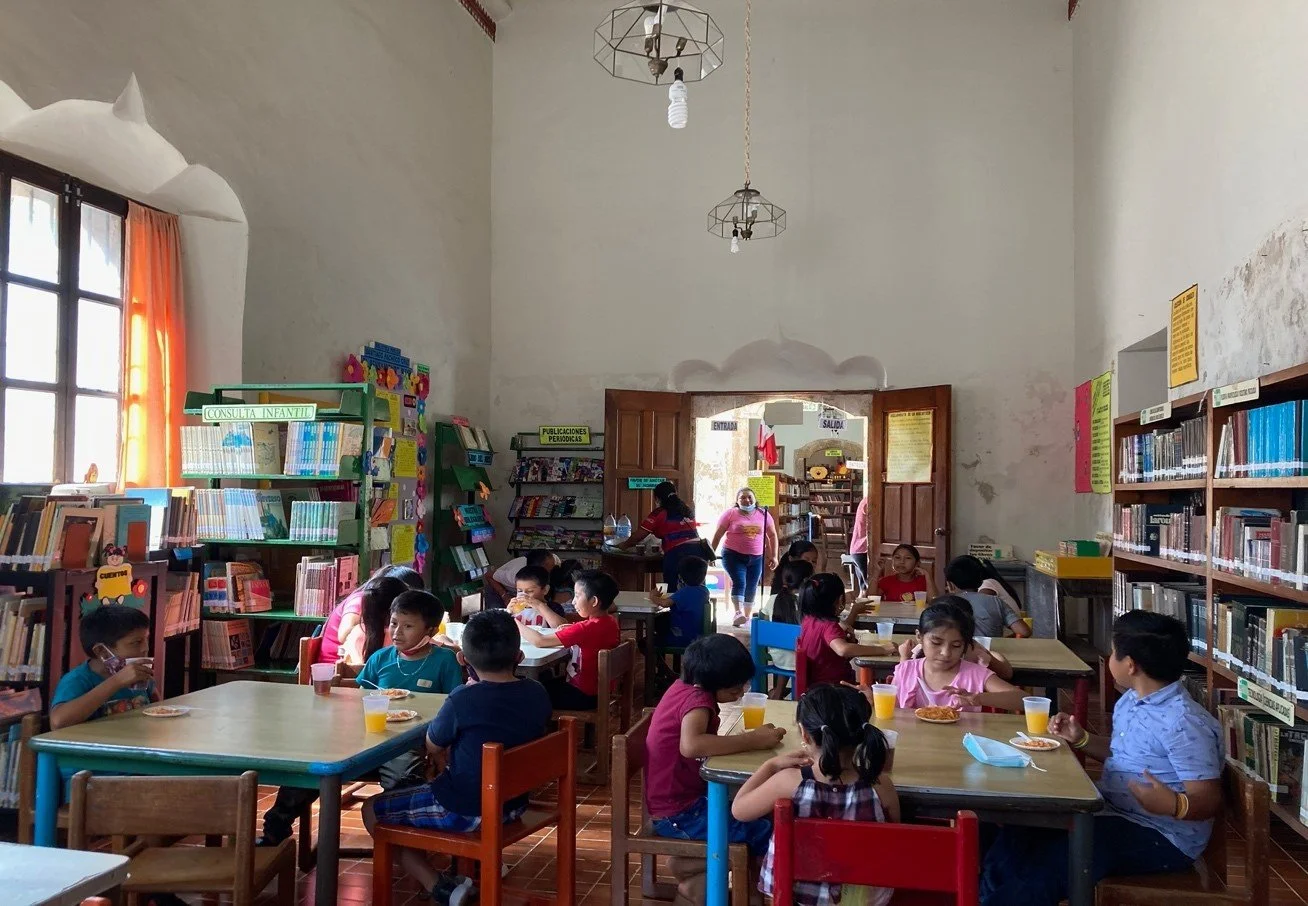
Particularmente, en la región centro oriental quintanarroense, existen comunidades que han tratado de mantenerse apegadas a sus costumbres, reflejando una identidad colectiva conocida como la comunidad maya macehual. Los mayas macehuales me han acogido, de ellos he aprendido un sinfín de conocimientos: su lengua, su gastronomía, su cosmovisión me ha permitido ser partícipe de la dinámica comunitaria, pues el proyecto educativo en el que me encuentro colaborando, parte del conocimiento de la historia de la comunidad, del pueblo, aprendiendo no sólo de los libros sino de las experiencias de vida de los personajes que lo conforman. Mi formación se enriquece día a día por la cantidad de fuentes que también me han ayudado a comprender las formas de ver la historia a nivel regional.
Fotografías de Daniela Sánchez Aroche, Alonso Poot y Goreti Kauil
Do you know what heritage is? I did not know this word until I entered the National School of Anthropology and History. This is where I began my path, because, despite the displeasure of my family, I began my studies in Ethnohistory, a discipline that helped me understand the importance of studying and preserving the knowledge and cultural expressions of Amerindian groups. For this reason, I chose to carry out my studies in the Mayan area, because since I was little, my parents took us to see many of the places that make up this great territory.
Although I have tried to contribute to the reconstruction of the history of that region, I faced the challenge of learning a language different from mine, as well as adapting to the jungle and extreme environment. Thanks to the support of my dear professor Ernesto Vargas Pacheco, I was able to enter communities that had inherited a glorious past, built through an armed uprising in which the Mayans of the eastern Yucatecan jungle demanded autonomy to continue with a life dedicated to conservation. of the natural environment.
The road has not been easy, but through numerous trips, wanderings, and tours of ancient paths, and jungles with tree species such as the ancient Yaxché, Balche', Ya', among others. I have been very fortunate to witness ceremonies and rituals dedicated to the powers that govern nature, the owners and lords of the mountains. These experiences have made me aware and have given me ideas to try to incorporate my studies into the care and conservation not only of cultural aspects but also of the ecosystems present in Quintana Roo.
Currently, Quintana Roo is a state-recognized for its tourist attractions but also for its biodiversity: the cenotes, caves, and habitats that I have known through community tours have allowed me to reflect on the close relationship between man and nature, as there is evidence dating back to prehistoric times. Many of the institutions dedicated to the preservation and dissemination of heritage have enriched my knowledge through research and publications, these being tools that allow me to keep up to date.
Three years ago, when I finished my doctoral studies, I started looking for a job and, the reality is that I found a workspace that has helped me to have a direct approach to the communities that I studied and knew in books. The ethnographic work that I am carrying out as a university teacher has helped me understand the role of history and anthropology in the development and conservation of cultural and natural heritage.
Particularly, in the central-eastern region of Quintana Roo, there are communities that have tried to remain attached to their customs, reflecting a collective identity known as the Mayan macehual community. The macehuales Mayans have welcomed me, from them I have learned endless knowledge: their language, their gastronomy, their worldview has allowed me to be a participant in the community dynamics, since the educational project in which I am collaborating, part of the knowledge of the history of the community, of the town, learning not only from books but from the life experiences of the characters that make it up. My training is enriched day by day by the number of sources that have also helped me understand the ways of seeing history at the regional level.