
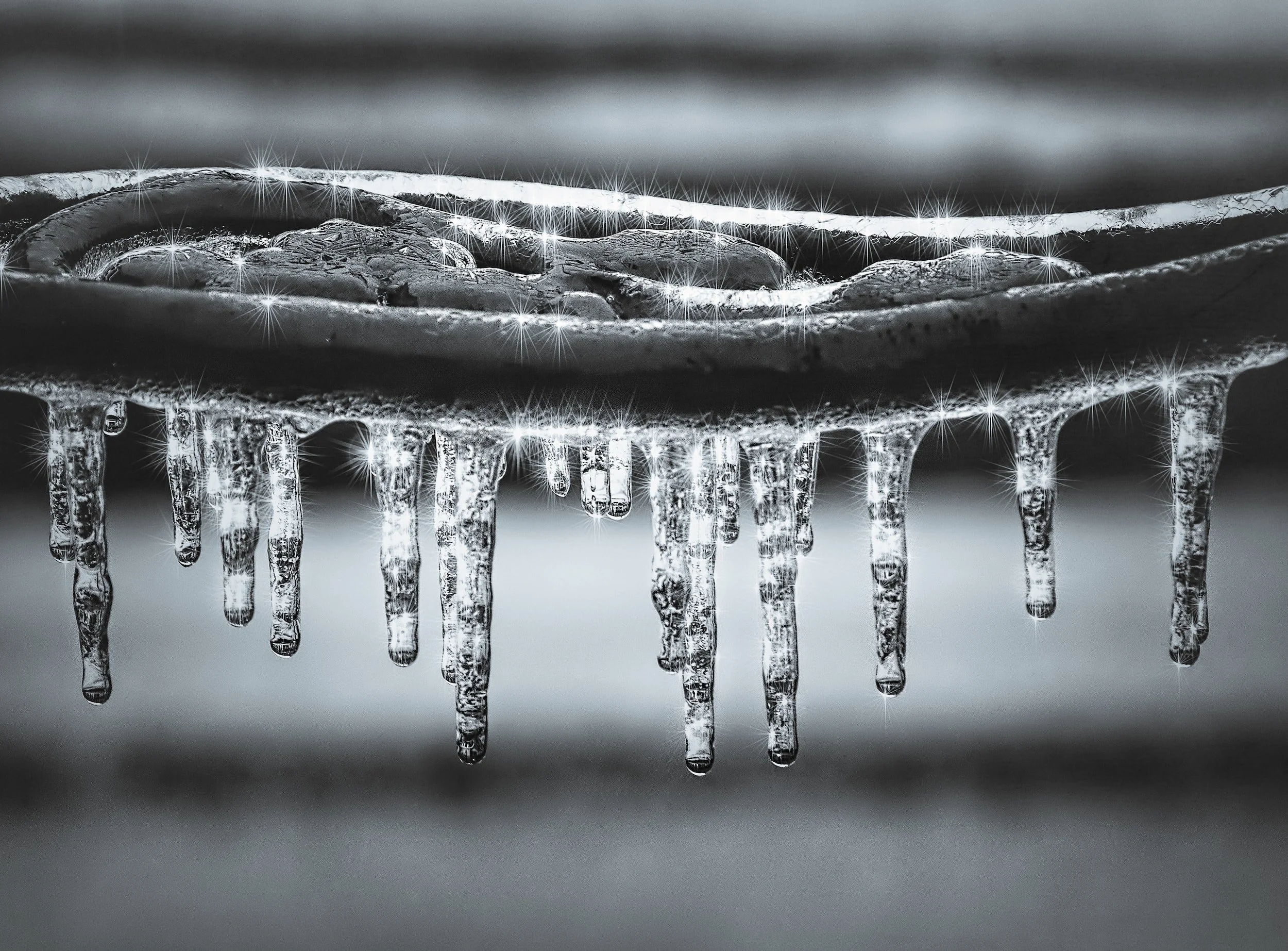
Stephanie Anchaluisa
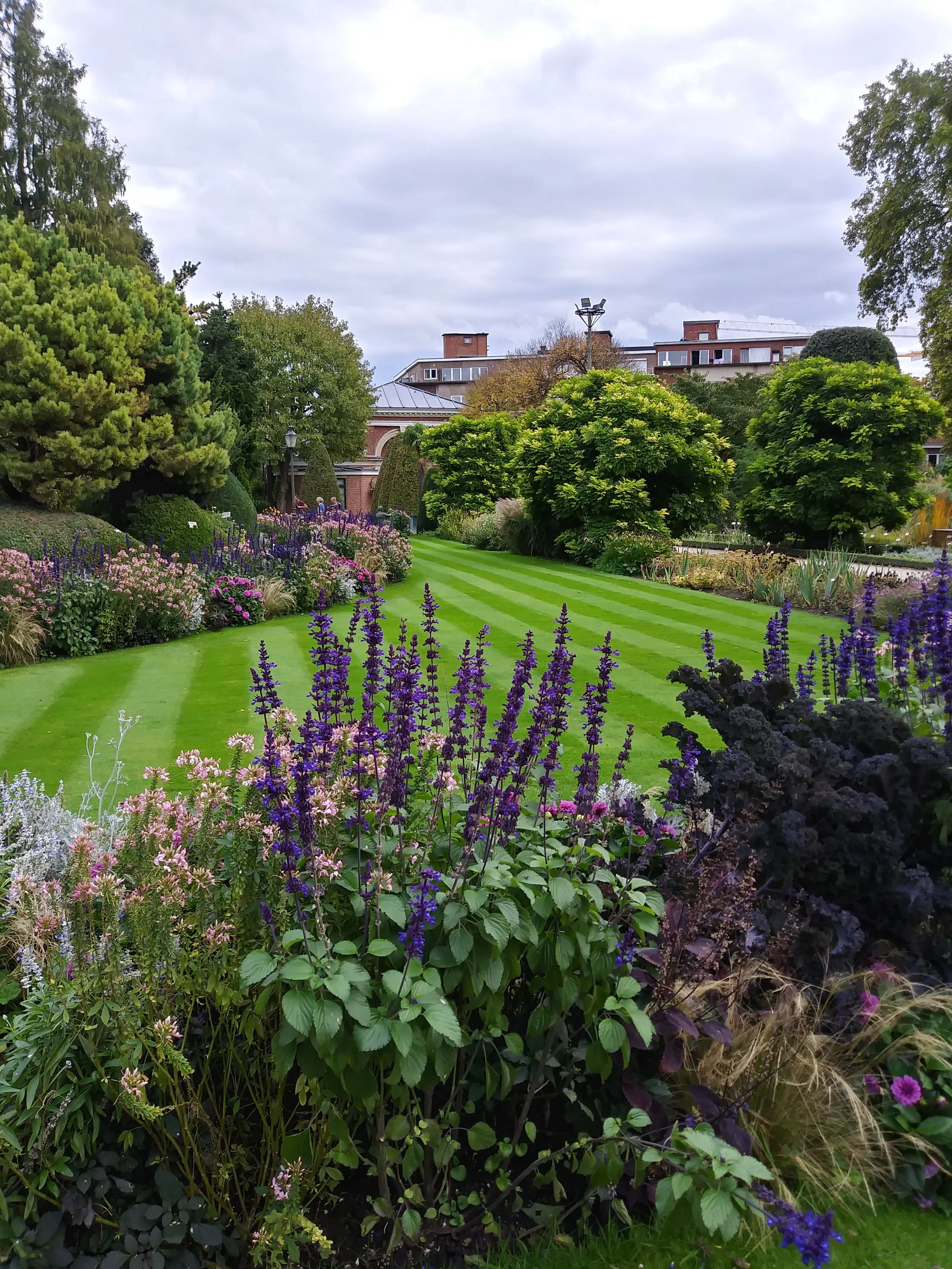
Jardín Botánico de Lovaina - Bélgica
La redacción de este blog coincide con mi tercer aniversario viviendo en un nuevo país. Siempre quise tener la experiencia de estudiar y vivir en el extranjero, así llegué a la Universidad Católica de Lovaina (KUL) en Bélgica donde mi sueño se haría realidad. Mis planes originales no incluían radicarme aquí, pero ya sabemos que la vida siempre tiene sus propios planes. Hoy reflexiono como mi profesión en Ecología me ha sostenido para ser resiliente a todos los cambios que estarían por venir.
Seguí un master en Desarrollo Sostenible y tuve la oportunidad de aprender de profesores con altísimo nivel académico. Sin embargo, unas de los aspectos más enriquecedores fue compartir el aula con estudiantes de diferentes lugares del mundo. Yo vengo de una formación en ciencias biológicas y gracias a mi trabajo estuve en contacto con comunidades rurales e indígenas en Ecuador ejecutando proyectos en medio de ecosistemas altamente biodiversos y con poca intervención humana. Por lo tanto, mi imaginario de naturaleza, bosque y biodiversidad era diferente al que tenían mis compañeros del master.
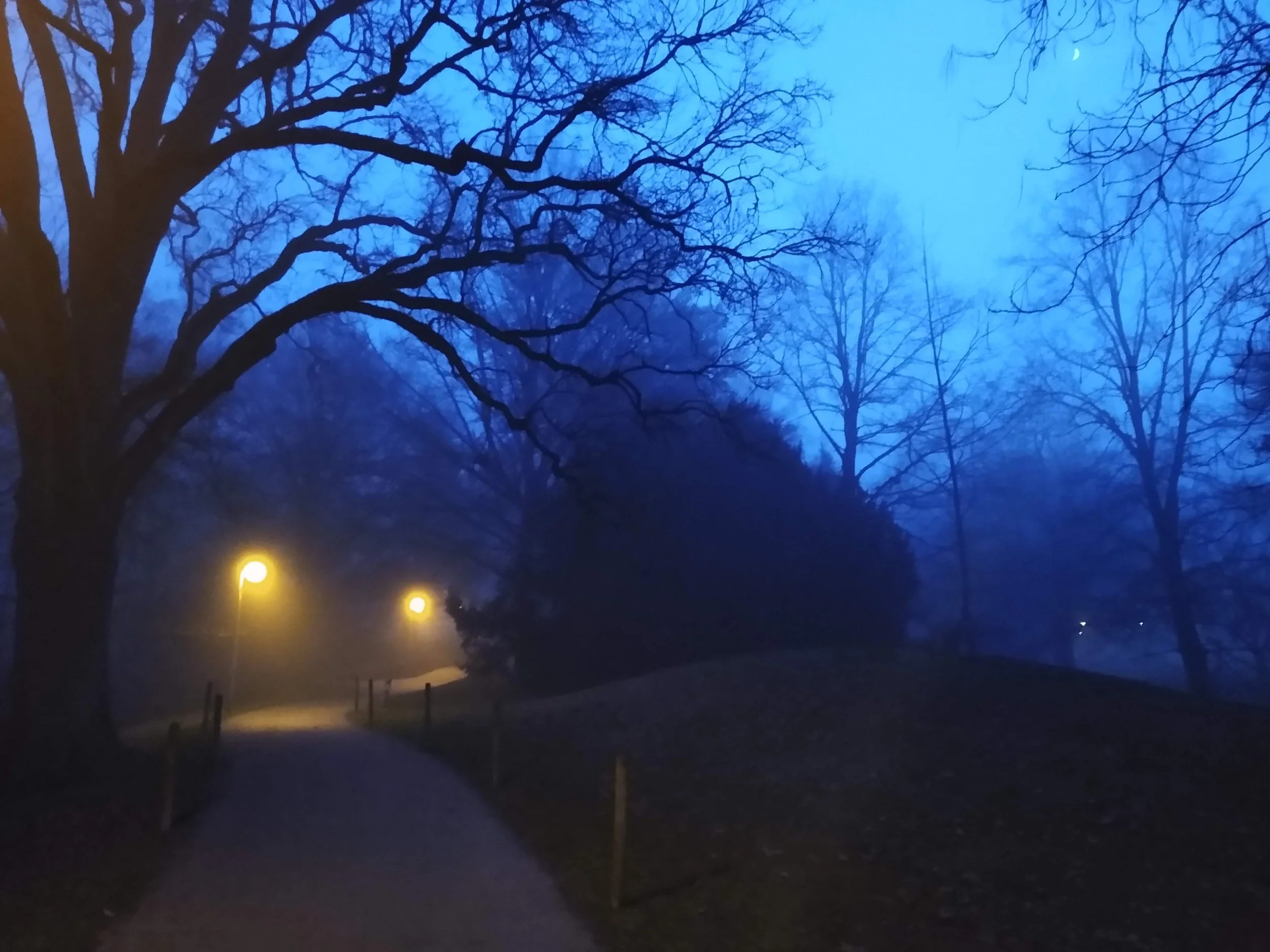
El anochecer a las 5pm
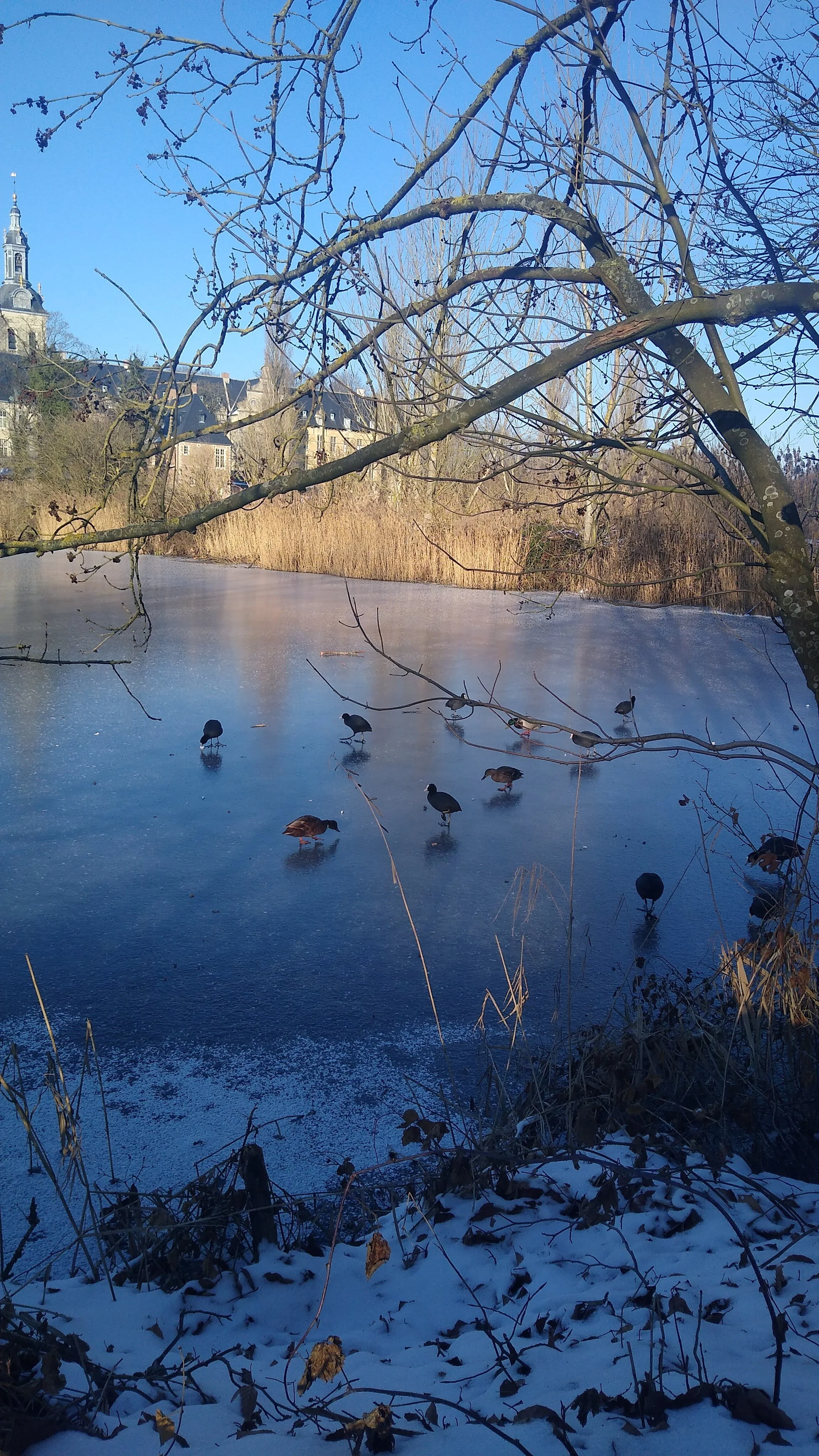
Laguna congelada y aves acuáticas - Abdij van Park Leuven
Recuerdo que durante una salida de campo tomamos muestras de un flujo de agua que cruzaba el campus de la universidad para analizar macroinvertebrados. Uno de los parámetros del estudio pedía valorar el nivel de urbanidad en una escala de 5 puntos, siendo 1 poco urbanizado y 5 muy urbanizado. Para mi sorpresa, mis compañeros debatían entre una valoración de 1 o 2, ya que ciertamente el lugar estaba rodeado de muchos árboles donde se podía encontrar incluso aves acuáticas. Sin embargo, lo que veían mis ojos era un curso de agua totalmente manipulado, con muy poca vegetación de ribera original y rodeado por varios edificios de la universidad, por lo tanto, mi calificación fue 5.
Poco tiempo me tomaría replantear mis imaginarios sobre cómo luce un bosque, cuál es la importancia de la biodiversidad y cómo las estaciones alteran los paisajes y sus relaciones ecológicas. Los bosques caducifolios, bosque de coníferas, praderas, humedales, brezales y dunas costeras son ecosistemas diferentes a los ecosistemas en la mitad del mundo, aunque las interacciones ecológicas son igual de importantes. Los indicadores de biodiversidad son números pequeños en comparación con otras latitudes, sin embargo, los esfuerzos de conservación son bastante robustos e integrados con la comunidad local. Vivenciar cada una de las estaciones además de ayudarme a entender mejor los ecosistemas templados, replanteó una vez más mis imaginarios sobre la composición y estructura de un bosque.
Uno de los comentarios recurrentes de personas que venimos de climas cálidos es como el primer invierno puede ser muy retador. Efectivamente fue desafiante, sin embargo, también fue uno de los momentos cuando me sentí en mayor conexión con mi naturaleza mamífera. Con temperaturas menores a los 10 grados los hábitos, el ánimo y la fisiología de mi cuerpo cambiaron, sin embargo, más allá del frío las pocas horas de luz tendrían un efecto mayor en mi. El día más corto puede tener 7.5 horas de luz solamente (9am a 4:30pm). Para una persona acostumbrada a 12 horas de luz todos los días fue un cambio trascendente. Usar varias capas de ropa, quedarse en casa, tener antojos de dulces y sopas calientes fueron las señales de que el tiempo de hibernación había empezado.
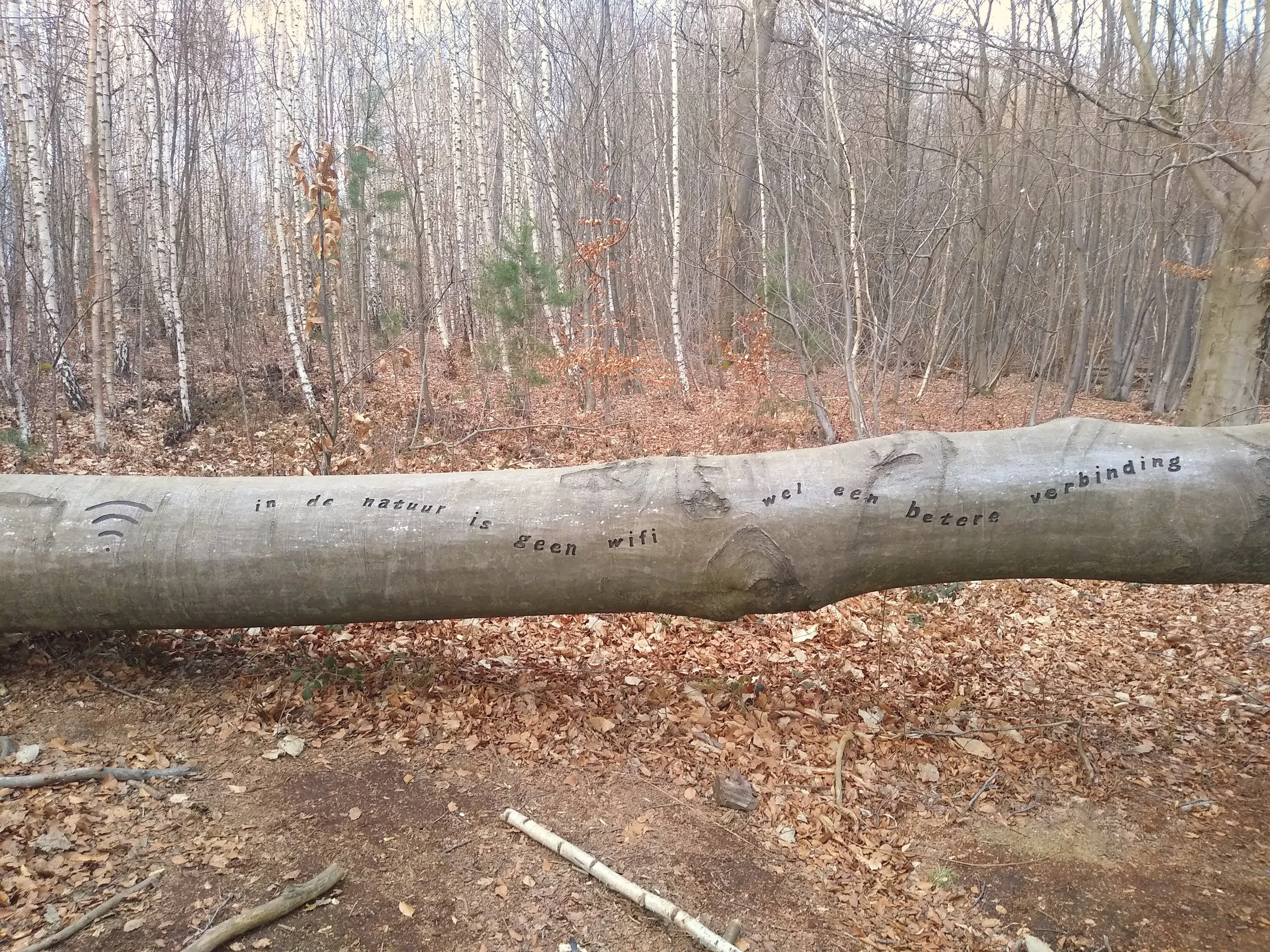
En la naturaleza no hay wifi pero sí una mejor conexión
Al cumplirse el tercer aniversario, ya no soy más la estudiante que vino por una temporada, ahora me reconozco como una mujer en migración. Me pregunto qué parte consiente o subconsciente me hizo levantar vuelo para llegar a una tierra diferente. Una vez que comprendí que la Madre Tierra está presente ya sea en un bosque lluvioso tropical, en un bosque templado o en un parque urbano, nunca más me sentí lejos de casa. La Ecología no solo ha sido la profesión que escogí sino una de mis mejores herramientas para navegar la vida.
The writing of this blog coincides with my third anniversary living in a new country. I always wanted to have the experience of studying and living abroad, so I came to the Catholic University of Leuven (KUL) in Belgium where my dream would come true. My original plans did not include settling here, but we already know that life always has its own plans. Today I reflect on how my profession in Ecology has sustained me to be resilient to all the changes that would be to come.
I followed a master's degree in Sustainable Development and had the opportunity to learn from professors with a very high academic level. However, one of the most enriching aspects was sharing the classroom with students from different parts of the world. I come from a background in biological sciences and thanks to my work I was in contact with rural and indigenous communities in Ecuador executing projects in the midst of highly biodiverse ecosystems and with little human intervention. Therefore, my imaginary of nature, forest and biodiversity was different from that of my classmates in the master's degree.
I remember that during a field trip we took samples of a water flow that crossed the university campus to analyze macroinvertebrates. One of the parameters of the study asked to assess the level of urbanity on a 5-point scale, with 1 being little urbanized and 5 very urbanized. To my surprise, my colleagues debated between a rating of 1 or 2, since the place was certainly surrounded by many trees where you could even find waterfowl. However, what my eyes saw was a totally manipulated watercourse, with very little original riparian vegetation and surrounded by several university buildings, therefore my rating was 5.
It would take me a short time to rethink my imaginary about what a forest looks like, what is the importance of biodiversity and how the seasons alter landscapes and their ecological relationships. Deciduous forests, coniferous forest, grasslands, wetlands, heaths and coastal dunes are different ecosystems than the ecosystems in half the world, although the ecological interactions are just as important. Biodiversity indicators are small numbers compared to other latitudes, however conservation efforts are quite robust and integrated with the local community. Experiencing each of the seasons, in addition to helping me better understand temperate ecosystems, once again reframed my imaginary about the composition and structure of a forest.
One of the recurring comments from people who come from warm climates is how the first winter can be very challenging. It was indeed challenging, however, it was also one of the moments when I felt most connected to my mammalian nature. With temperatures below 10 degrees, the habits, mood and physiology of my body changed, however, beyond the cold, the few hours of light would have a greater effect on me. The shortest day may have only 7.5 hours of daylight (9am to 4:30pm). For a person used to 12 hours of light every day, it was a significant change. Wearing several layers of clothing, staying indoors, craving sweets and hot soups were the signs that the time of hibernation had begun.
On the third anniversary, I am no longer the student who came for a while, now I recognize myself as a woman in migration. I wonder what conscious or subconscious part made me take flight to reach a different land. Once I understood that Mother Earth is present whether in a tropical rain forest, a temperate forest or an urban park, I never felt far from home again. Ecology has not only been the profession I chose but one of my best tools to navigate life.