
Francy Forero Sánchez
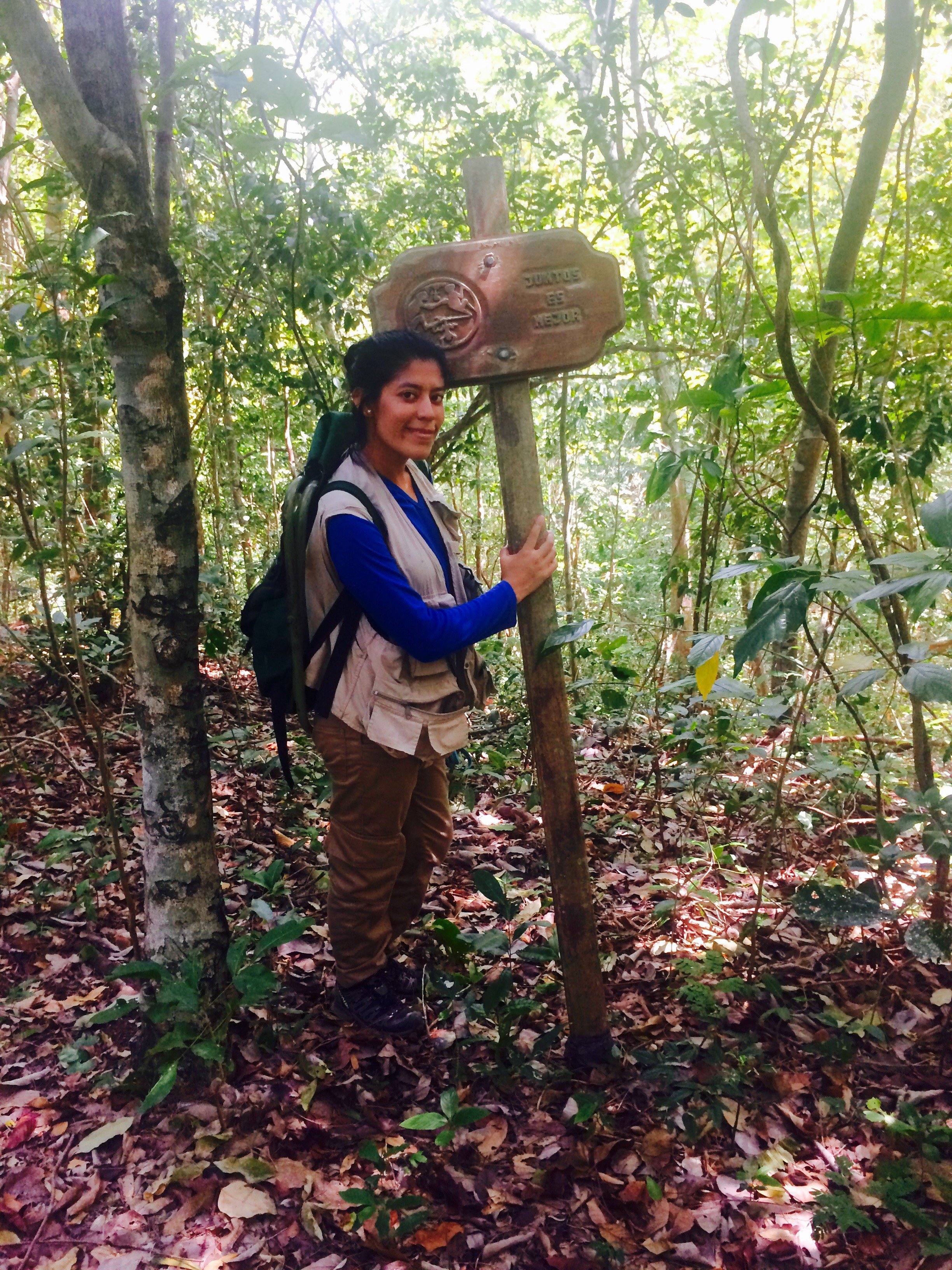
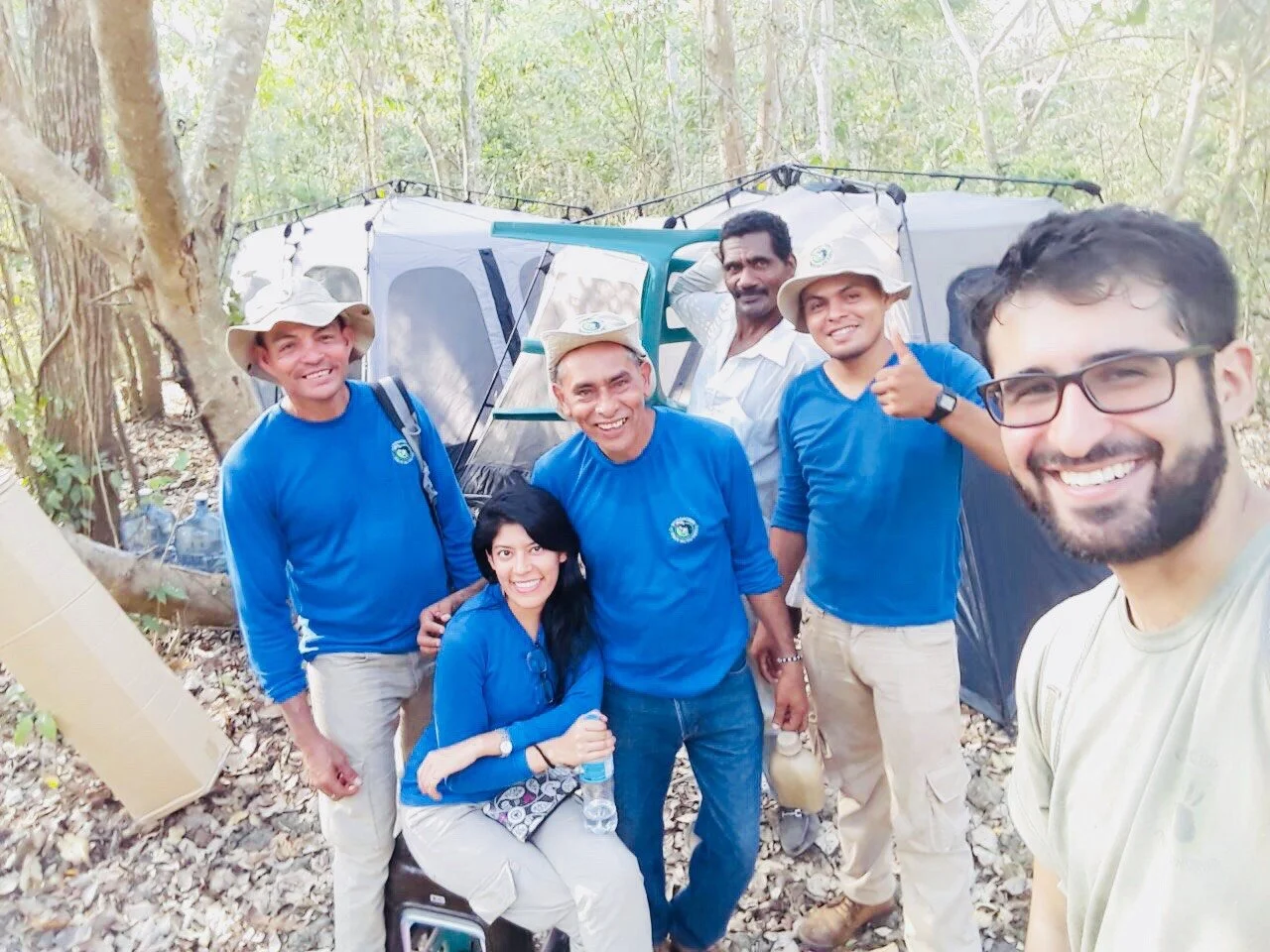
Soy primatóloga y conservacionista de profesión y vocación. Me hace realmente feliz despertarme temprano porque me espera toda mi indumentaria: mis botas, mi morral, mi cámara fotográfica y claro, mi amada libreta de campo. Esa felicidad persiste aún cuando el desplazamiento demanda tiempo y energía, como horas de espera para tomar el avión, luego varios kilómetros por carretera, recorridos en jeeps por las trochas, para terminar a pie por caminos de herradura. Aún con la complicada logística, me siento totalmente plena cuando el final del recorrido es un bosque con grupos de micos para estudiar. Aún cuando mi sentido de orientación es pésimo o casi nulo, me siento totalmente confiada dejándome llevar por las trochas cuando mi brújula es el grupo de micos que sigo. Plenitud, sería la palabra que describe mi sensación de estar en campo, siguiendo primates.
¿Hay algo que opaque esa plenitud? Según el reporte para 2021 de Global Witness, Colombia ocupa el primer lugar de defensores de la tierra y el medio ambiente asesinados en 2020. Colombia, es un país donde los defensores del medio ambiente muren protegiendo tierras indígenas o defendiendo bosques y la biodiversidad que en estos se alberga. Quisiera pensar que Colombia es la excepción y que el resto de países de América Latina están por fuera de este ranking, sin embargo, en el TOP 10 de países más inseguros para trabajar por el medio ambiente, 7 corresponden a países latinoamericanos, destacando a México y a Brasil, en el segundo y cuarto lugar de la lista, respectivamente.
Sumado a esto, el informe revela que más de uno de cada 10 de los defensores asesinados en 2020 eran mujeres. Cifras que nos son extrañas para nosotras las conservacionistas, ya que, según estudios previos de la Unión Internacional para la Conservación de la Naturaleza (UICN) el cambio climático y la degradación ambiental están alimentando la violencia contra las mujeres. Es decir, mujeres conservacionistas latinoamericanas, somos aún mas vulnerables al ejercer nuestra profesión. Y eso que estas cifras no revelan los ataques no informados como las amenazas, vigilancia, violencia sexual o silenciamiento. A veces parece que nos acostumbramos con las situaciones violentas, que las naturalizamos. Nos acostumbramos a sentirnos vigiladas cuando llegamos a hacer un campo; a no andar solas en ningún momento; a sentirnos menos vulnerables cuando nos acompaña un hombre en nuestros campos. Nos acostumbramos a este tipo de ataques no tan explícitos.
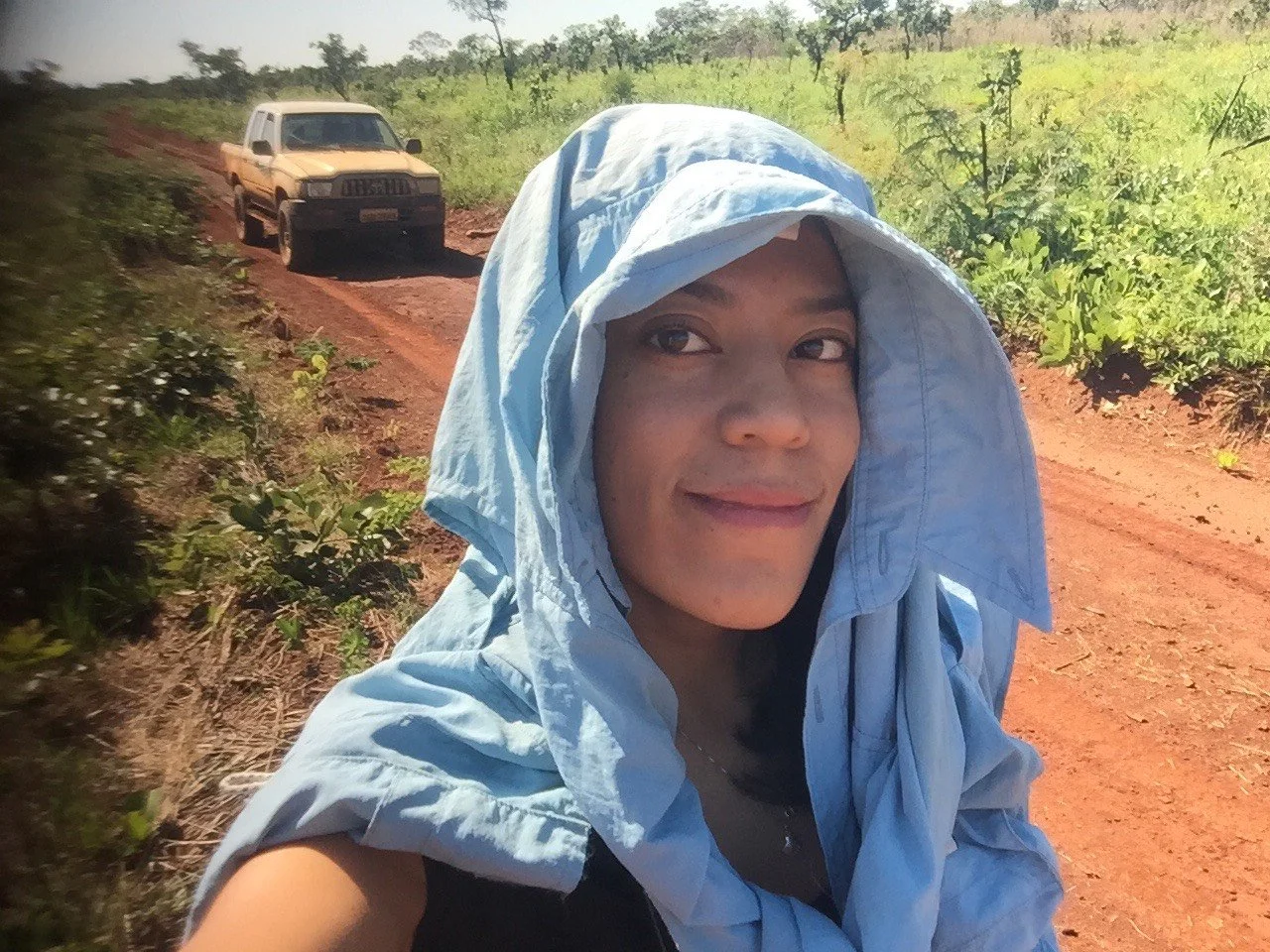
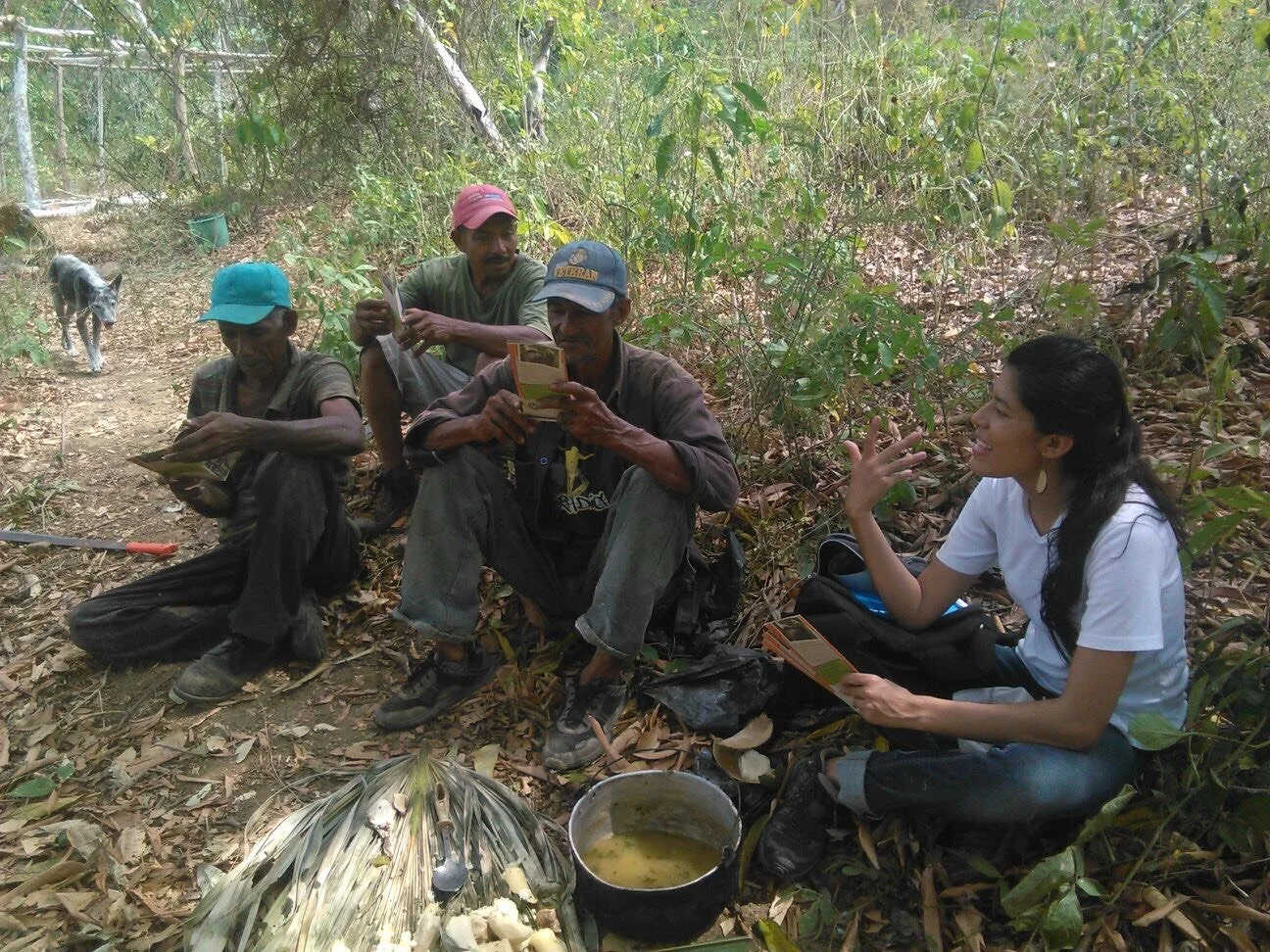
No sé si más investigadores o conservacionistas han pasado por situaciones similares, pero en mi caso, para mantener mi seguridad en campo, he tenido que decir que soy casada (cuando no lo soy) y hablar de un marido falso; he estado vigilada por personas que no son de la comunidad pero que acompañan cada uno de mis pasos desde lejos, para garantizar que estoy en la comunidad trabajando realmente por un proyecto socio-ambiental; me han revisado las fotos de mi cámara fotográfica y requisado diariamente para verificar que sólo hay fotos relacionadas a biodiversidad; he recibido comentarios “preventivos” en los que me aseguran que pasar por determinado lugar, después de cierta hora, no resultaría muy seguro para mí. Este tipo de ataques son más frecuente de lo que parece y son poco documentados, tal vez porque ya nos acostumbramos a vivir en lugares violentos y donde ser prevenidos es la mejor habilidad de un profesional.
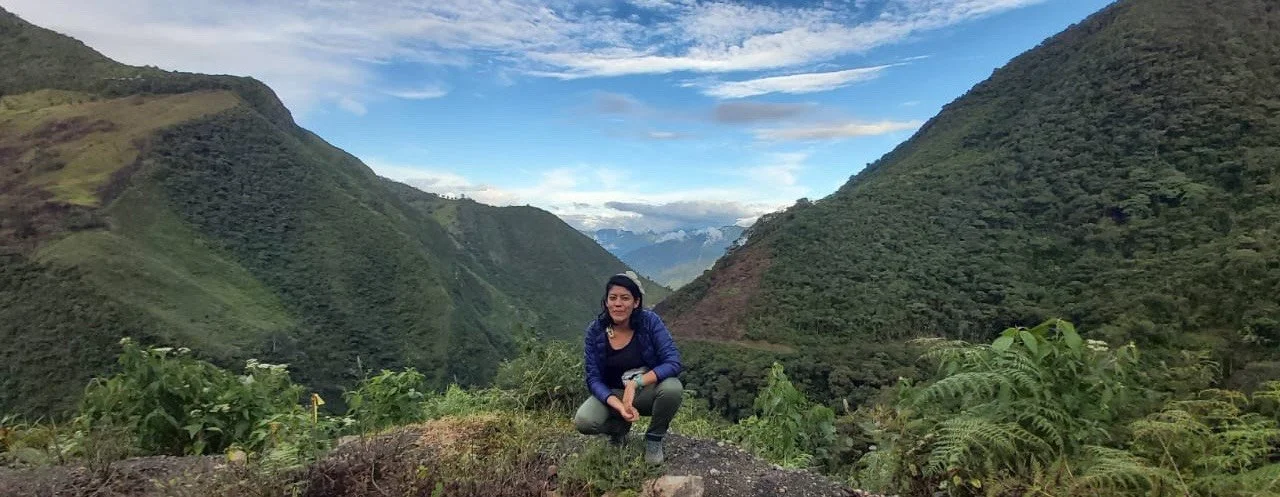
Trabajar por la conservación de la biodiversidad es un acto de resistencia. Estamos intentado detener una bola de nieve que crece y crece, por que la crisis de extinción de especies no frena y parece que este asunto no les importa a muchos. Trabajamos en lugares con conflictos sociales tan elevados, en los que corre peligro nuestra propia integridad, a fin de darle voz a quienes no tienen como defenderse y la convicción de trabajar por esta noble causa, resulta ser el mejor salario. Sí me preguntan si vale la pena ponerme en riesgo por la conservación, indudablemente la respuesta es sí y es lo que hace mis ojos brillar.
I am a primatologist and conservationist by profession and vocation. It makes me really happy to wake up early because all my things await me: my boots, my backpack, my camera, and of course, my beloved field notebook. That happiness persists even when traveling requires time and energy, such as hours of waiting to catch the plane, then several kilometers by road, traveling in jeeps through the trails, to finish on foot along bridle paths. Even with the complicated logistics, I feel totally fulfilled when the end of the route is a forest with groups of monkeys to study. Even when my sense of direction is terrible or almost null, I feel totally confident letting myself go through the trails when my compass is the group of monkeys that I follow. Fullness would be the word that describes my feeling of being in the field, following primates.
Is there something that overshadows that fullness? According to the Global Witness report for 2021, Colombia ranks first in land and environmental defenders killed in 2020. Colombia is a country where environmental defenders die protecting indigenous lands or defending forests and biodiversity that in these are housed. I would like to think that Colombia is the exception and that the rest of Latin American countries are outside this ranking, however, in the TOP 10 of the most insecure countries to work for the environment, 7 correspond to Latin American countries, highlighting Mexico and to Brazil, in second and fourth place on the list, respectively.
Added to this, the report reveals that more than one in 10 of the defenders killed in 2020 were women. Figures that are strange to us conservationists, since, according to previous studies by the International Union for Conservation of Nature (IUCN), climate change and environmental degradation are fueling violence against women. In other words, Latin American women conservationists, we are even more vulnerable when practicing our profession. And that these figures do not reveal unreported attacks such as threats, surveillance, sexual violence, or silencing. Sometimes it seems that we get used to violent situations, that we naturalize them. We get used to feeling watched when we get to make a field; not to walk alone at any time; to feel less vulnerable when a man accompanies us in our fields. We get used to this kind of less explicit attack.
I do not know if more researchers or conservationists have gone through similar situations, but in my case, to maintain my safety in the field, I have had to say that I am married (when I am not) and speak of a false husband; I have been watched by people who are not from the community but who follow each one of my steps from afar, to guarantee that I am in the community really working for a socio-environmental project; They have reviewed the photos of my camera and searched daily to verify that there are only photos related to biodiversity; I have received “preventive” comments in which they assure me that going through a certain place, after a certain hour, would not be very safe for me. These types of attacks are more frequent than it seems and are little documented, perhaps because we are already used to living in violent places and where being prevented is the best skill of a professional.
Working for the conservation of biodiversity is an act of resistance. We are trying to stop a snowball that grows and grows because the crisis of extinction of species does not stop and it seems that this issue does not matter to many. We work in places with such high social conflicts, where our own integrity is at risk, in order to give a voice to those who have no way to defend themselves, and the conviction to work for this noble cause turns out to be the best salary. If they ask me if it is worth putting myself at risk for conservation, undoubtedly the answer is yes and it is what makes my eyes shine.