
Sandra Lucía Bazán Velásquez
Cuando se trabaja con proyectos de desarrollo de infraestructura de transportes, principalmente carreteras, atravesar y superar desafíos es una constante diaria que siempre me motivó. Los retos son más exigentes cuando una carretera pasa por un área natural protegida (ANP) o espacios adyacentes, llamados zonas de amortiguamiento (ZA), debido a las consideraciones normativas y de procesos que deben tenerse en cuenta. Debo confesar que hasta me terminó gustando el investigar de manera permanente no solo los detalles técnicos del proyecto sino también los ecosistemas y su dinámica, a fin de brindar las mejores alternativas de solución, sobre todo cuando se trata de países en crecimiento como el nuestro, con un déficit de red vial*, y con una urgente necesidad de dinamizar la economía, pero en un marco también, de ser en el mundo, un país megadiverso con una importancia global para la conservación de la biodiversidad.
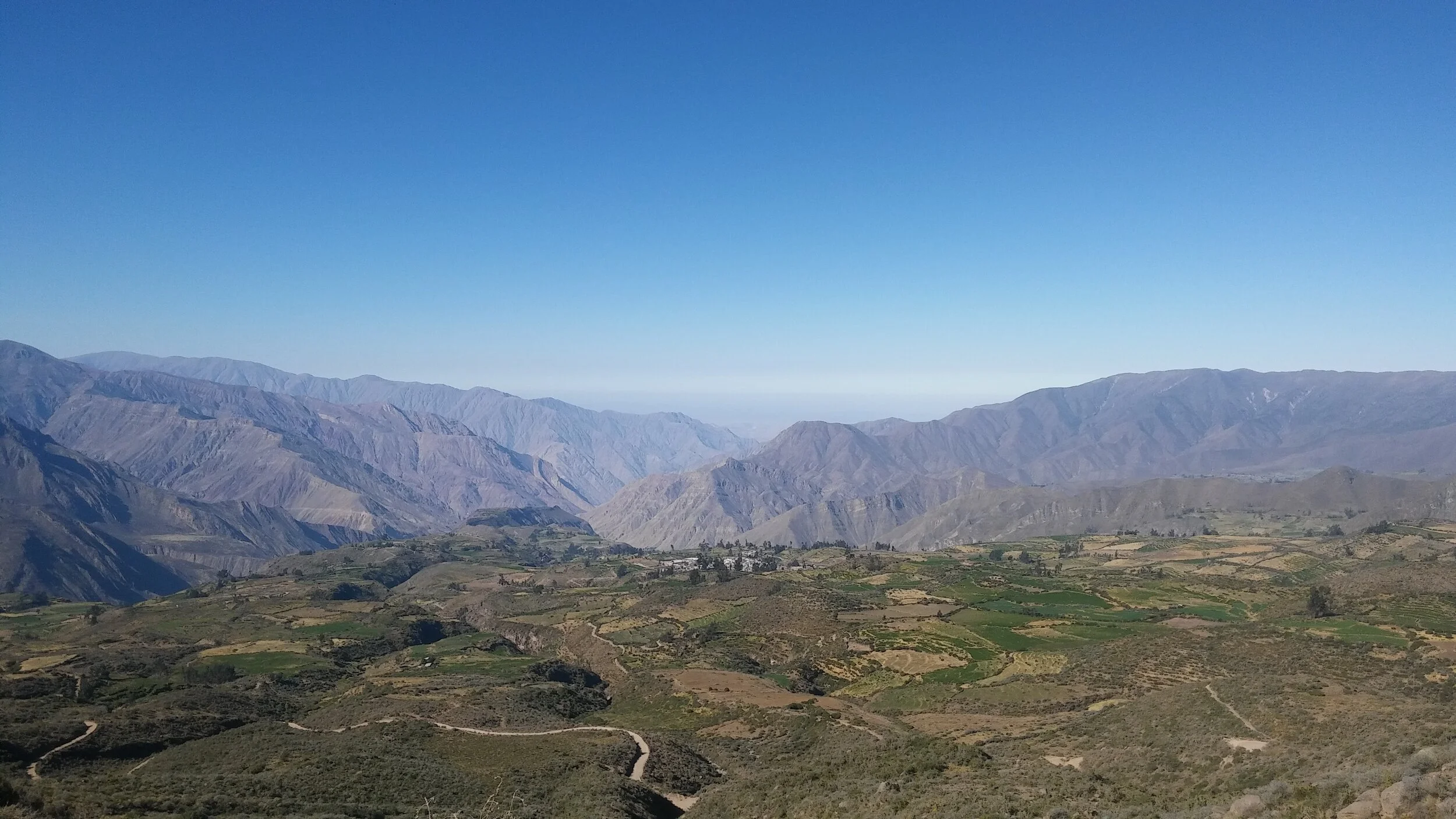
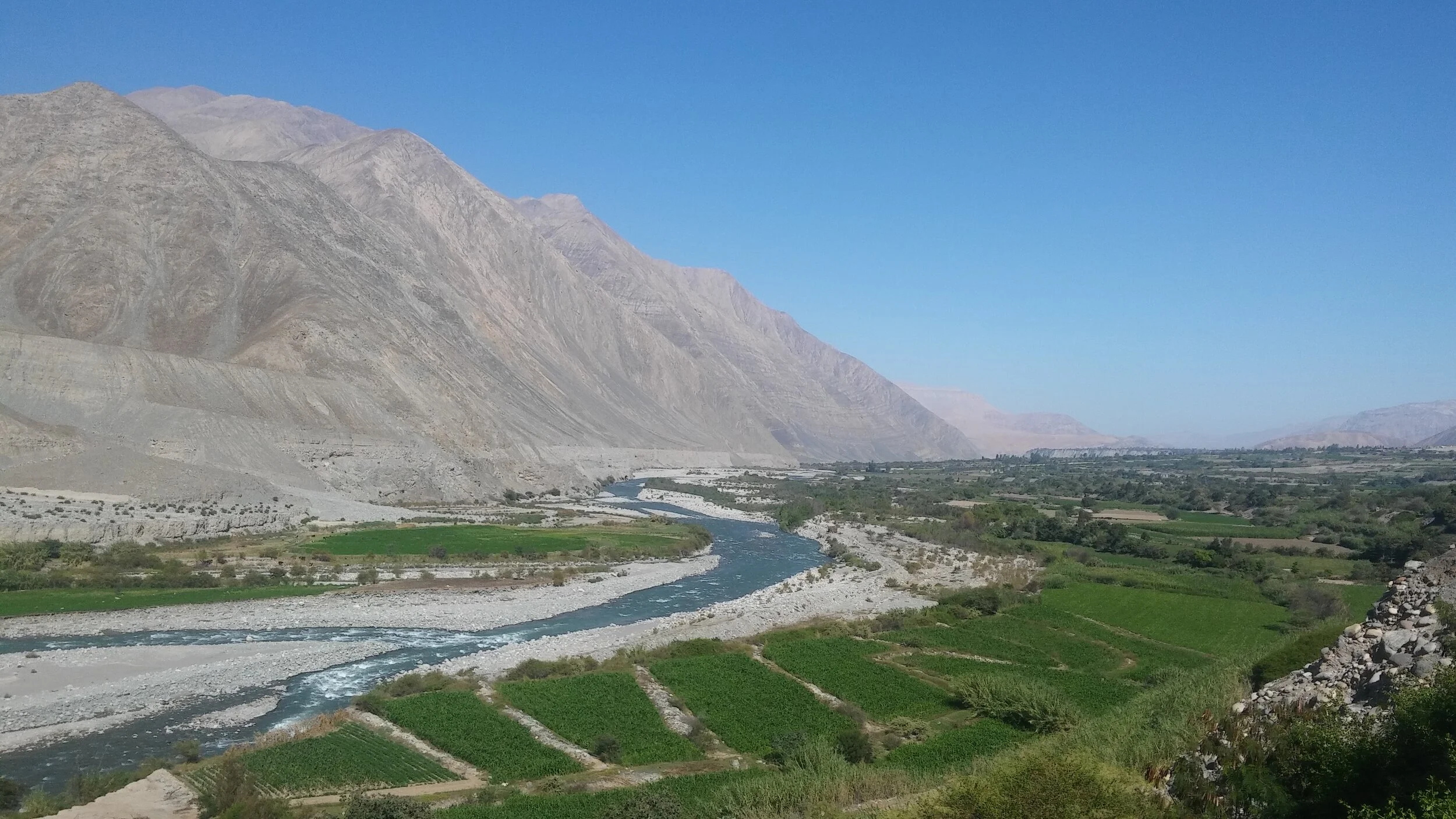
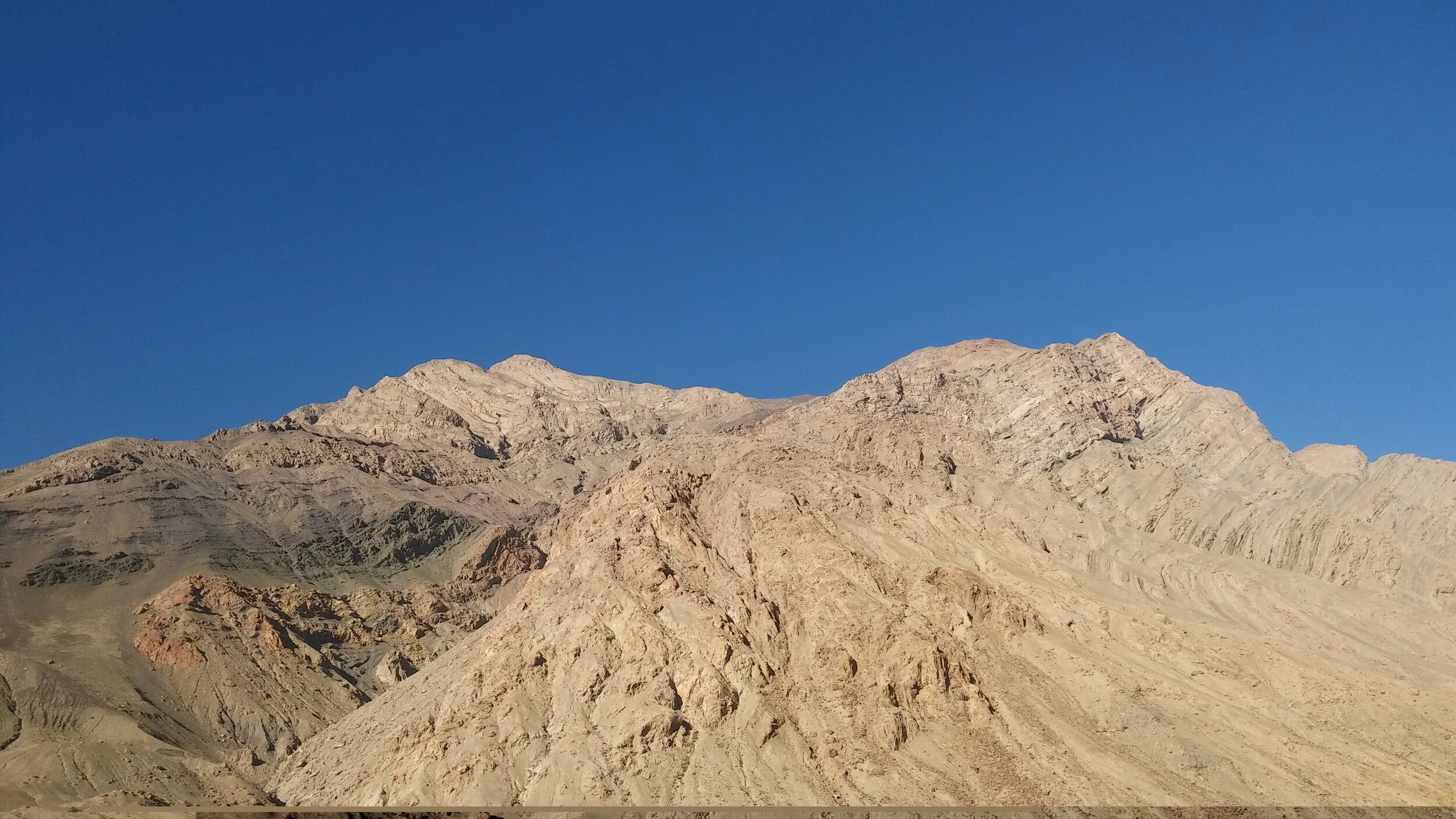
Es impresionante todos los paisajes que visualizas cuando recorres la carretera donde se proyecta brindar el mantenimiento; empiezas partiendo de una ciudad capital: Arequipa, al cabo de un par de horas de viaje estas en un pueblo a 3,000 msnm y ya se agudiza el frío, el entorno urbano desaparece y el paisaje nos muestra centros poblados salpicados y adornados por ríos, quebradas, vegetación natural y el aire empieza a sentirse más fresco y puro. Seguimos avanzando y nos encontramos con un rotundo cambio de escenario, un paisaje árido en su totalidad, cerros descubiertos que nos permiten apreciar todos los matices de los colores de la tierra y al fondo, el cielo azul iluminado por el sol brillante; avanzamos un poco más, seguimos subiendo, aparece vegetación de altura, puedes ver el blanco de la nieve, sentir el sol más intenso y las nubes que parecen algodón.
El chofer detuvo la camioneta, nos invitó a bajar y vivir la experiencia de estar a 5000 m.s.n.m.; inevitablemente se sentía la altura con cada respiración, pero la sensación de tocar el cielo, el viento helado sobre el rostro que se mezcla con la tibieza de los rayos solares sin duda te hacía sentir en la cima de la vida y una libertad plena, fueron solo unos minutos que se quedaron imborrables en la mente y el corazón.
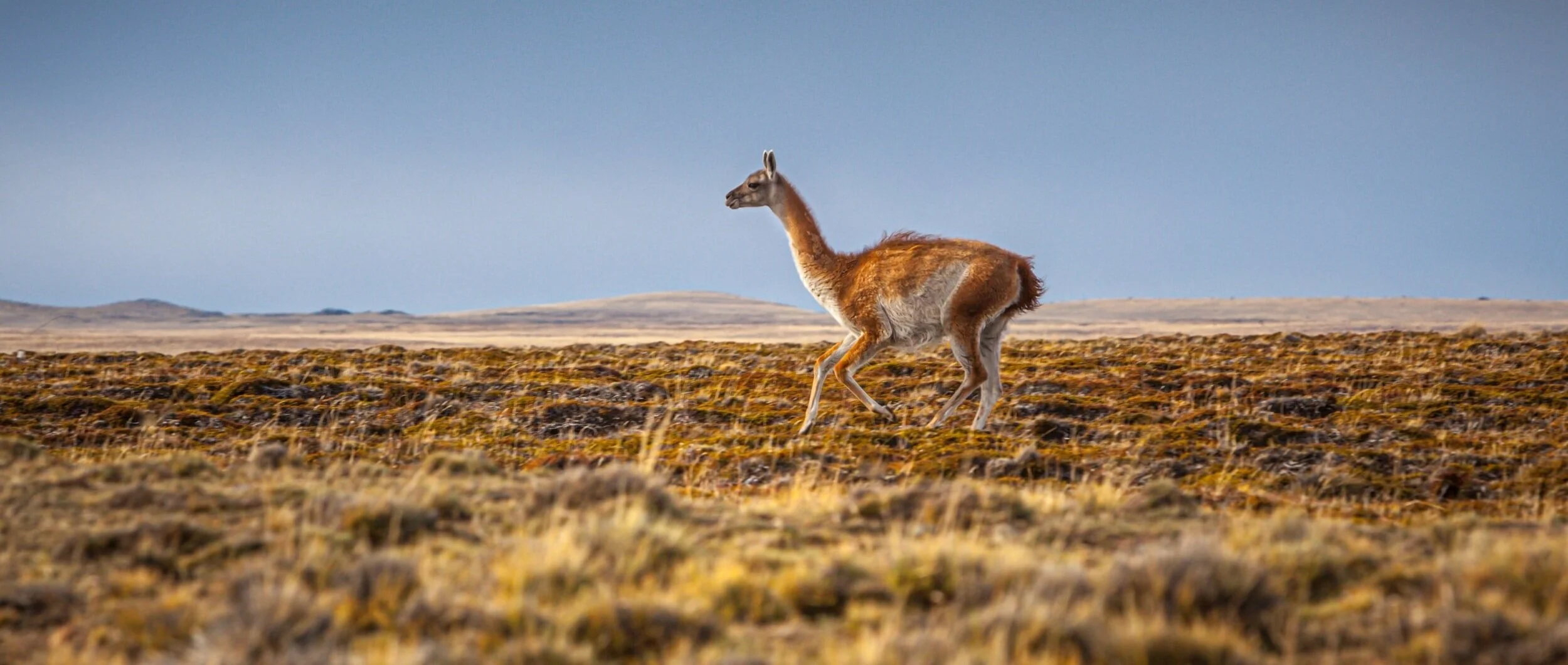
A esta altitud solo te acompaña el silencio y el viento, no hay trochas, ni rutas visiblemente marcadas; seguimos avanzando e inesperadamente atraviesan por el frente, un grupo de guanacos, despreocupados recorren la puna, evidentemente no es un tramo muy transitado y me embarga una sensación de ser nosotros los que nos atravesamos en su camino. Metros más adelante, a los costados de la vía, distintas especies de auquénidos aparecen pasteando en manadas: alpacas y llamas son las protagonistas del hermoso y apacible paisaje, entre el ichu, la meseta y las montañas. Empezamos a descender ligeramente y la geografía cambia nuevamente con montículos de lava oscura que descansan desde hace miles de años en el imponente Valle de los Volcanes; nos acoge una fantástica vista, el viento es más fuerte cuando cae la tarde, mi cabello se deja llevar por la naturaleza en todos los sentidos capturando graciosas imágenes con el rostro totalmente cubierto.
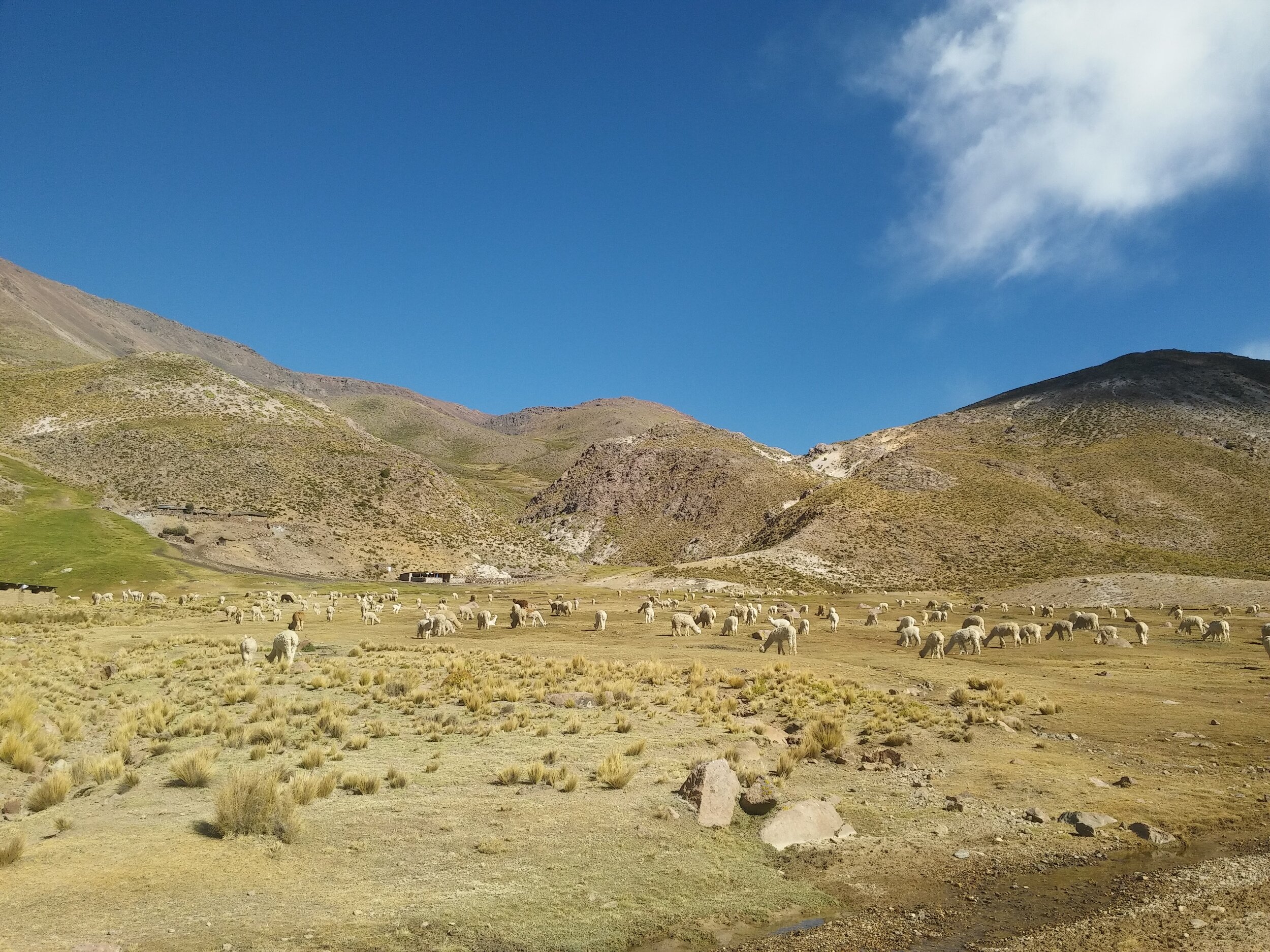
Continuamos el descenso con los ojos entrecerrados por el cansancio, una silueta en el centro de la vía despierta nuestros sentidos, un llamativo color naranja y negro de un zorro de frondosa cola corre y se oculta tras los arbustos y nos mira sigilosamente entre las ramas mientras pasamos, tal vez diciéndonos adiós o hasta pronto. Es hora de continuar y regresar al hospedaje, por hoy he visto y experimenté lo inimaginable, mucho más de lo que mi mente pensó podría ver en un solo día.
Ante diversos escenarios como este, evaluar los proyectos de carretera y su abundante información, en un marco normativo y de procesos, denso y engorrosos respectivamente, considere de suma importancia contribuir a simplificar dichos procesos enfocando el análisis en los aspectos fundamentales de las ANP, como son: los objetivos de conservación de cada ANP, su zonificación y lo dispuesto en su instrumento de gestión (plan maestro). Para ello revisé la información de ocho instrumentos de gestión ambiental aprobados, localizados en 13 de las 24 regiones del país, los mismos que atravesaban 14 áreas naturales protegidas por el Estado o zonas de amortiguamiento. Con una exhaustiva revisión comprobé que era bajo el grado de coherencia de lo descrito en los documentos aprobados respecto a los aspectos fundamentales de las ANP; en consecuencia, no fue extraño encontrarme que el 71% presenta baja coherencia de las medidas preventivas y de mitigación sobre los objetos de conservación, y que el 50% presenta una baja coherencia respecto a las medidas preventivas y de mitigación sobre las condicionantes de la zonificación al interior de las ANP. En el estudio de investigación finalmente propuse criterios para la elaboración y evaluación de los instrumentos de gestión ambiental con miras a alcanzar los objetivos de conservar y proteger los ecosistemas. Concluyo señalando y reflexionando sobre la importancia de contar con instrumentos de gestión ambiental que cuenten con una buena descripción, análisis y estudio de los objetos de conservación y la zonificación de las ANP, que nos conlleven a una buena identificación de impactos y determinen que las medidas ambientales propuestas sean las más apropiadas para la conservación y protección de las ANP.
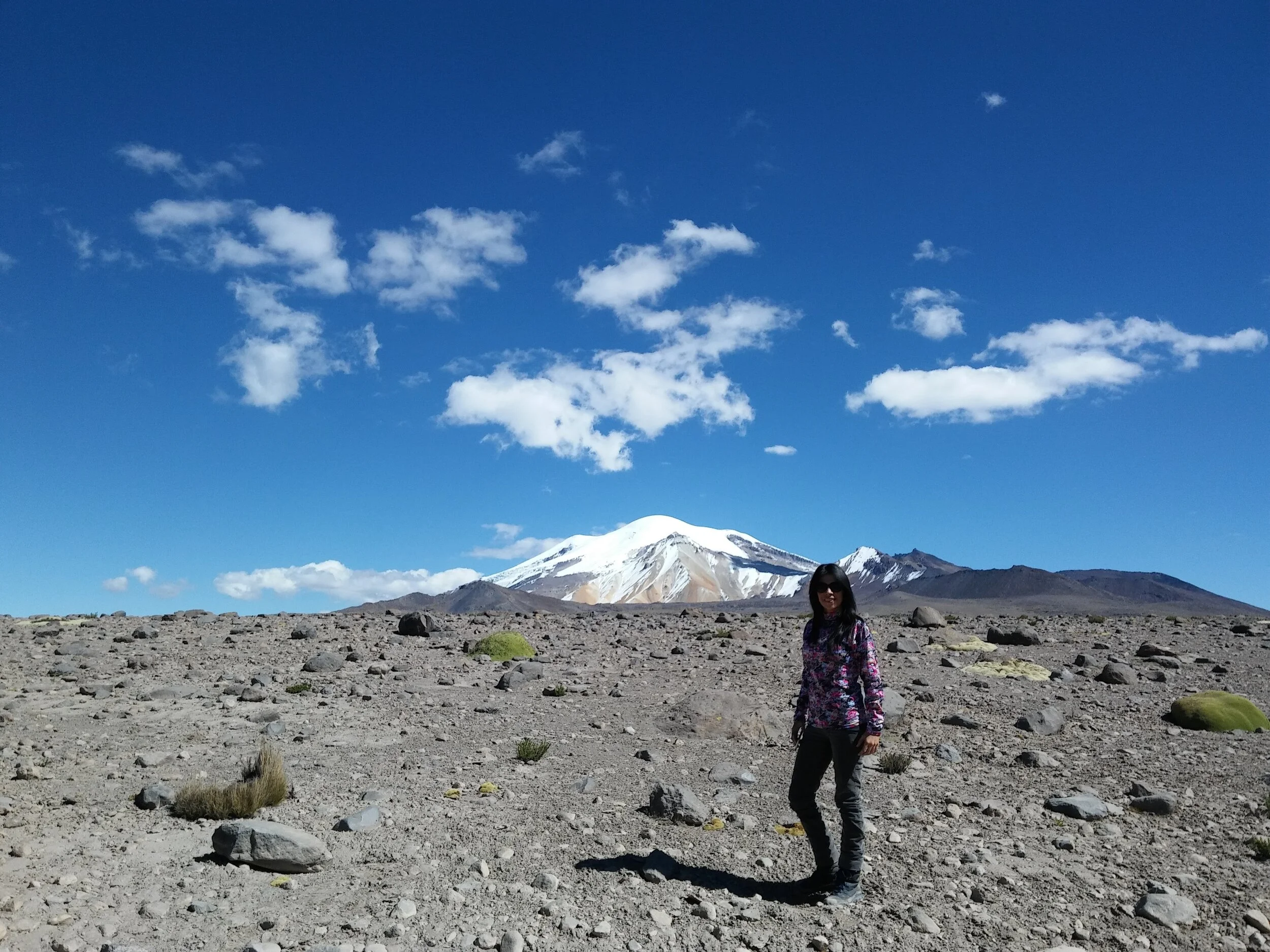
El desarrollo de infraestructura de transportes con una adecuada gestión ambiental es posible, aún nos queda mucho por investigar e implementar, pero lograrlo nos permitirá continuar disfrutando y apreciando de los paisajes y beneficios que nos brindan los ecosistemas en cada uno de nuestros viajes ya sea por trabajo o recreación, o una combinación de ambos, como cuando te apasiona lo que haces y deja de ser un “trabajo” convirtiéndose en una inagotable fuente de experiencias enriquecedoras e inspiradoras de nuestro espíritu.
* En el Perú, el Sistema Nacional de Carreteras (SINAC) tiene una longitud total de 173 550,7 km, siendo vía existente y en operación el 96,1% y la vía proyectada el 3,9 %De los 96,1%, están pavimentados el 15,6%, mientras que las carreteras no pavimentadas representan el 84,4 %.
When working with transport infrastructure development projects, mainly highways, going through and overcoming challenges is a daily constant that always motivated me; The challenges are more demanding when a road passes through a natural protected area (ANP) or adjacent spaces, called buffer zones (ZA), due to the regulatory and process considerations that must be taken into account; I must confess that I even ended up enjoying permanently investigating not only the technical details of the project but also the ecosystems and their dynamics, in order to provide the best alternative solutions, especially when it comes to growing countries like ours, with a deficit in the road network *, and with an urgent need to boost the economy, but also within a framework, of being in the world, a megadiverse country with global importance for the conservation of biodiversity.
It is impressive, all the landscapes you see when you travel the road where maintenance is planned; You start from a capital city: Arequipa, after a couple of hours of travel you are in a town at 3,000 meters above sea level and the cold increases, the urban environment disappears and the landscape shows us populated centers dotted and adorned by rivers, streams , natural vegetation and the air begins to feel fresher and purer; We continue advancing and we find a resounding change of scenery, an arid landscape in its entirety, uncovered hills that allow us to appreciate all the nuances of the colors of the earth and in the background, the blue sky illuminated by the bright sun; we advance a little more, we continue climbing, vegetation of height appears, you can see the white of the snow, feel the most intense sun and the clouds that look like cotton.
The driver stopped the truck, invited us to get off and live the experience of being at 5000 m.a.s.l .; inevitably you felt the height with each breath, but the sensation of touching the sky, the icy wind on your face that mixes with the warmth of the solar rays without a doubt made you feel at the top of life and a full freedom, were only a few minutes that were indelible in the mind and the heart.
At this altitude you are only accompanied by silence and the wind, there are no trails or visibly marked routes; we continue advancing and unexpectedly they cross the front, a group of guanacos, carefree they cross the puna, evidently it is not a very busy section and a feeling seizes me that we are the ones who cross their path. Meters later, on the sides of the road, different species of auquénidos appear grazing in herds: alpacas and llamas are the protagonists of the beautiful and peaceful landscape, between the ichu, the plateau and the mountains. We begin to descend slightly and the geography changes again with mounds of dark lava that have been resting for thousands of years in the imposing Valley of the Volcanoes; A fantastic view welcomes us, the wind is stronger when the afternoon falls, my hair is carried away by nature in every way capturing funny images with my face totally covered.
We continue the descent with eyes narrowed by fatigue, a silhouette in the center of the road awakens our senses, a striking orange and black color of a fox with a leafy tail runs and hides behind the bushes and watches us stealthily between the branches while we pass, maybe saying goodbye or see you soon. It is time to continue and return to the lodging, for today I have seen and experienced the unimaginable, much more than my mind thought I could see in a single day.
Faced with various scenarios like this one, evaluating road projects and their abundant information, in a regulatory and process framework, dense and cumbersome respectively, consider it extremely important to contribute to simplifying these processes by focusing the analysis on the fundamental aspects of the ANP, such as They are: the conservation objectives of each ANP, its zoning and the provisions of its management instrument (master plan); To do this, review the information from eight approved environmental management instruments, located in 13 of the 24 regions of the country, the same ones that crossed 14 natural areas protected by the State or buffer zones. With an exhaustive review, I verified that the degree of coherence of what was described in the approved documents regarding the fundamental aspects of the ANP was low; consequently, it was not surprising to find that 71% present low coherence of preventive and mitigation measures on conservation objects, and that 50% present low coherence with regard to preventive and mitigation measures on the conditioning factors of zoning inside the ANP. In the research study I finally proposed criteria for the development and evaluation of environmental management instruments with a view to achieving the objectives of conserving and protecting ecosystems. I conclude by pointing out and reflecting on the importance of having environmental management instruments that have a good description, analysis and study of the conservation objects and the zoning of the ANP, which lead us to a good identification of impacts and determine that the measures proposed environmental conditions are the most appropriate for the conservation and protection of ANPs.
The development of transport infrastructure with adequate environmental management is possible, we still have a lot to investigate and implement, but achieving it will allow us to continue enjoying and appreciating the landscapes and benefits that ecosystems offer us in each of our trips either by work or recreation, or a combination of both, such as when you are passionate about what you do and it ceases to be a “work”, becoming an inexhaustible source of enriching and inspiring experiences for our spirit.
* In Peru, the National Highway System (SINAC) has a total length of 173,550.7 km, with 96.1% being an existing road and in operation and the projected road 3.9% of the 96.1% , 15.6% are paved, while unpaved roads represent 84.4%.