
Rocío Seisdedos de Vergara
No había cuestionado antes mi percepción de la sociedad rural. Para mi era básicamente la gente que vivía en el campo, que tenía granja o huertos en un pueblo pequeño y se me venían a la cabeza imágenes de personas con marcas del trabajo arduo y duro, como la piel morena y curtida por el sol, que ha sudado y ha sufrido, que al mismo tiempo son sabias y pacientes ante los rigores de la vida, en contraste con las preocupaciones de la gente de ciudad. La verdad, no reflexionaba más allá, y mucho menos acerca de la sociedad rural en Latinoamérica.
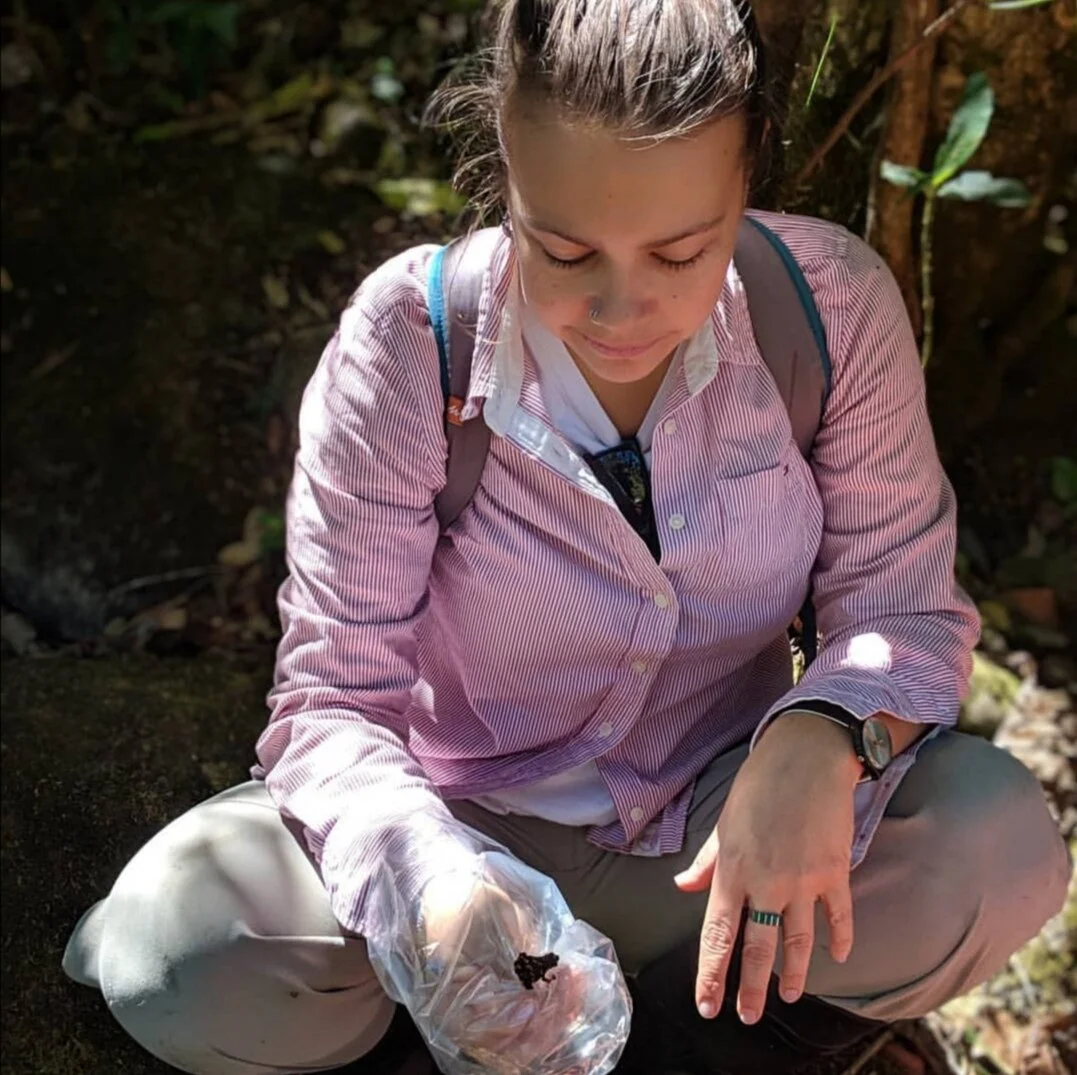
Foto © Intertwined Conservation
En 2014 decidí matricularme en una maestría en Costa Rica donde, en el primer trimestre, llevamos una materia llamada “Sociología rural”. “Suena interesante…” pensé, sin imaginar el incalculable valor que tendría esta materia que, sin duda, cambiaría mi punto de vista y marcaría un nuevo comienzo de mi futura vida profesional.
Mi sueño de pequeña era trabajar con fauna, protegiendo la naturaleza, nunca pensé que para ello tuviera que trabajar con comunidades. Ni se me pasaba por la cabeza. Cumplí mi sueño de estudiar y licenciarme en biología y me fui a Costa Rica. Una vez en la maestría hicimos varias giras sociales, aprendiendo sobre técnicas de investigación social, educación ambiental y procesos comunitarios. Para mí, fue un cambio de chip drástico. Nunca se me había ocurrido que para hacer conservación de vida silvestre había que tener en cuenta las comunidades locales. Siempre había asumido que, por ejemplo, crear un área protegida era algo bueno, por definición, para todo el mundo. Sin embargo, fui aprendiendo que muchísimas veces las comunidades rurales se sienten anuladas, desplazadas, ofendidas, maltratadas…por lo que los profesionales denominamos “hacer conservación”. Nunca se me había ocurrido que hubiese que involucrar a las comunidades rurales en estos procesos de conservación para hacerlos viables. Ni siquiera como un añadido, no, ¡para hacerlos viables!
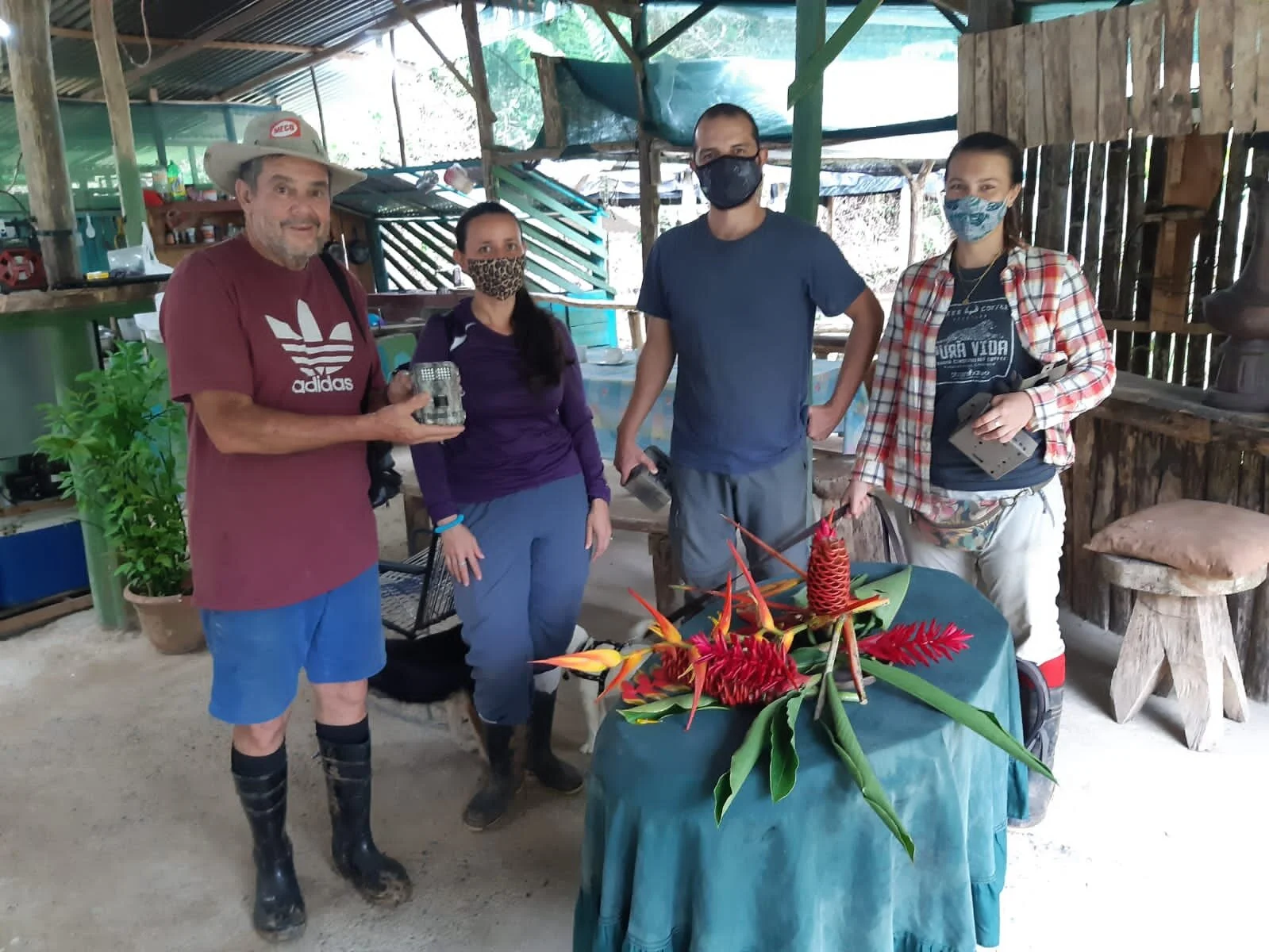
Foto © Río Seco
El primer contacto que tuve con las comunidades rurales del sur de Costa Rica fue durante mi tesis de maestría, donde me fui a la región de Coto Brus. El trabajo planteado para graduarme no tenía ningún componente social, sin embargo, durante el transcurso del mismo surgió de manera orgánica una colaboración con un acueducto comunitario, ya que su toma de agua es el hábitat del sapito arlequín (mi objeto de estudio). Por otro lado, me alojaba en una finca donde tenía contacto diario con las personas locales. Esta inmersión más profunda fue para mí un choque cultural. He de decir que no sabía bien cómo comportarme. No quería causar una mala impresión. Yo siempre estaba en la finca con mi asesor de tesis, que me ayudaba y orientaba en el trabajo de campo y ya conocía un poco la zona y lo primero que sentí fue que me trataban muy diferente a como lo trataban a él. Me trataban cordialmente y con respeto, pero las preguntas dirigidas a mí, a raíz de su curiosidad, me sacaban de esa zona de confort en la que busco encajar y sentirme una más. Fue una oportunidad para aprender más sobre mí misma, abrir la mente y así aprender a escuchar otros puntos de vista y experiencias de vida muy diferentes a la mía.
De manera natural casi, comenzaron a surgir oportunidades de colaborar con otras comunidades de la zona en diferentes proyectos en los que me fui involucrando finalizando mi tesis. Cada salida de campo, cada visita me hacía abrir más los ojos hacia otras realidades, otras formas de hacer conservación y otras formas de conocimiento.
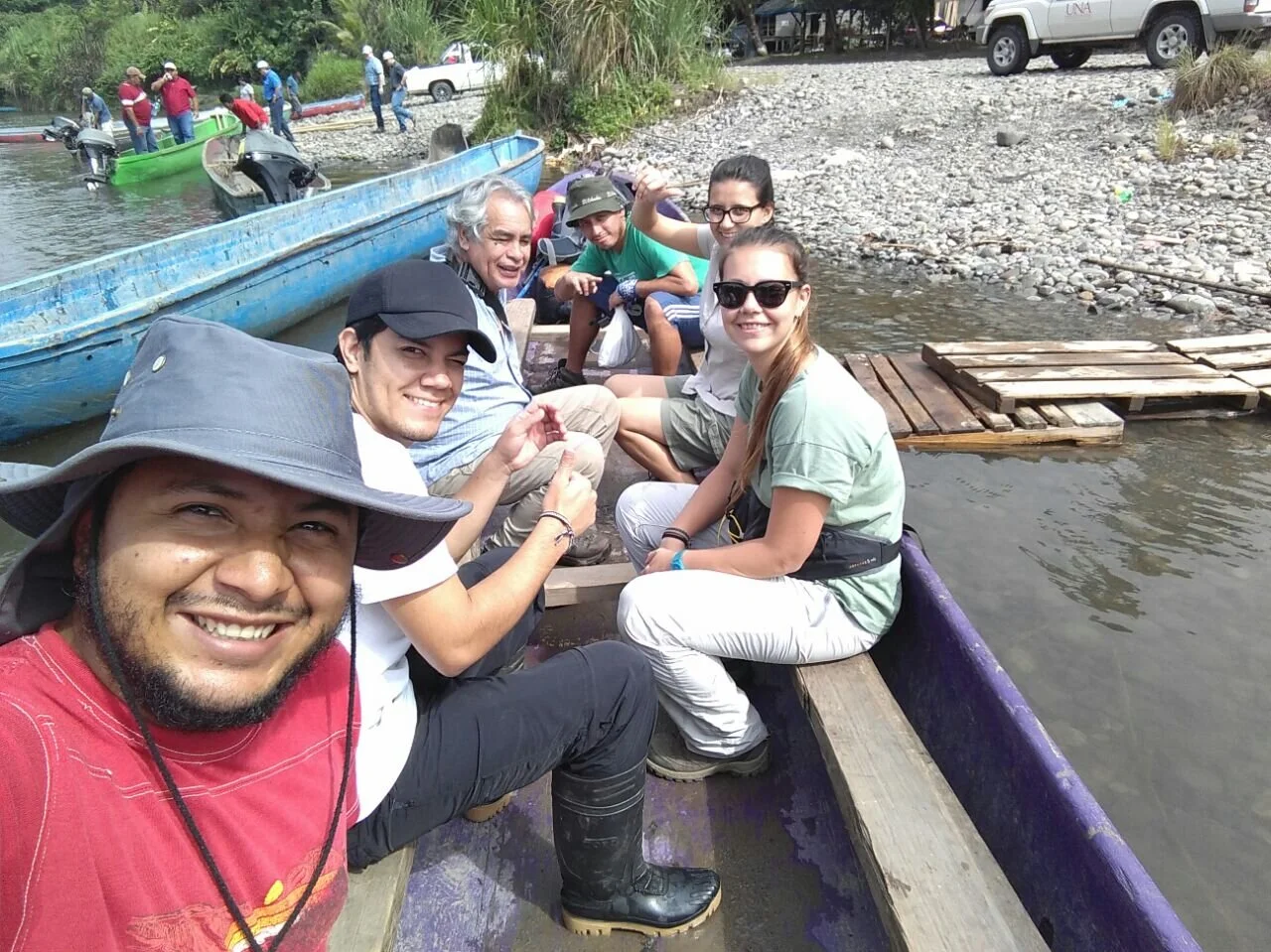
Foto © Nhering Lobo
Ahora, seis años después, cada persona que conozco, cada comunidad a la que llego me regala esa emoción de seguir amando lo que hago. He conocido personas que se han convertido en bonitas amistades, que me han regalado buenas historias y ratos compartiendo una taza de café y un pan. El cambio de punto de vista que me está dando trabajar con comunidades rurales del sur de Costa Rica es algo que me hace revalorar mi profesión, el rumbo y el sentido que tiene. No sé si ese concepto que tenía venía de la educación que recibí en el cole o la escuela, de las películas y la televisión, etc. pero, la verdad, ahora me da vergüenza pensar en la idea general tan superficial y básica que tenía de las sociedades rurales, y vergüenza ajena por la dominancia o poder que algunas personas, instituciones u organizaciones creen que deben tener sobre ellas y el tono despectivo con el que se habla a veces sobre sus valores.
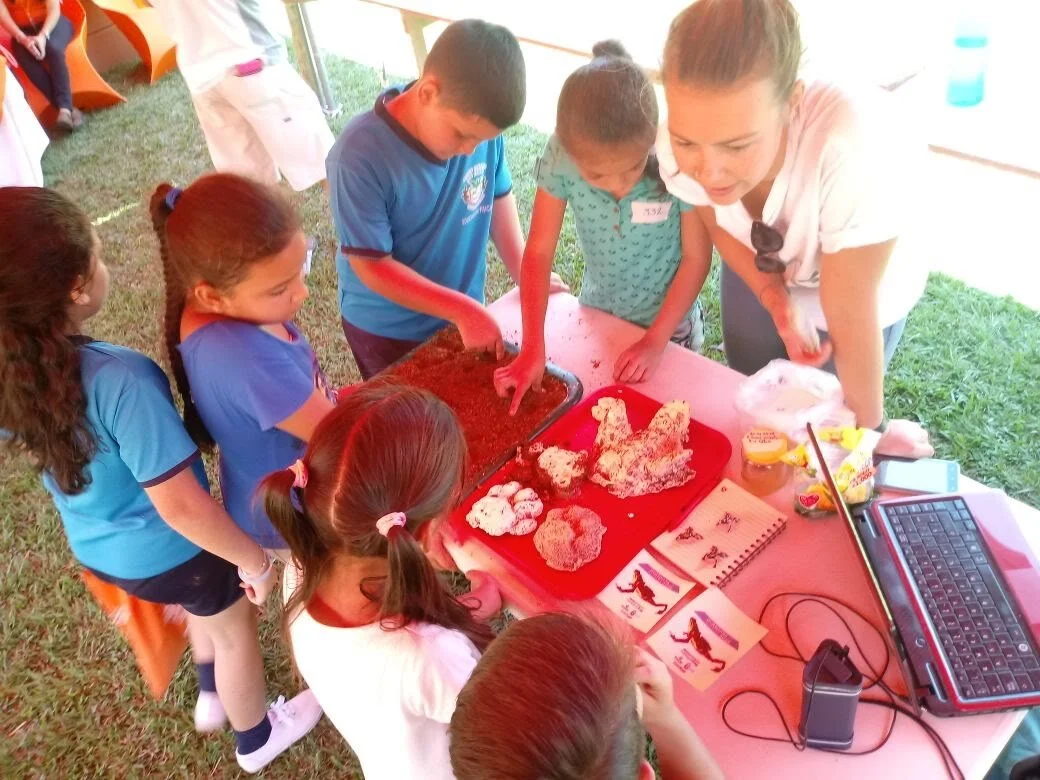
Foto © Diego Gómez
Ahora soy mucho más consciente de todas las dimensiones que se pueden conocer sobre la sociedad rural, sus necesidades y vivencias. Ahora me apetece conocer, me apetece acercarme y seguir conociendo. Ahora quizá siga sin saber del todo lo que es la sociedad rural, pero desde luego, se me han abierto muchas vías por las que sé que puedo empezar a conocer, a escuchar, pues la sociedad rural del sur de Costa Rica es un amor que quiero cuidar y que sé que nunca olvidaré.
I had never questioned my perception of rural society before. For me, it was basically the people who lived in the countryside, who had farms or orchards in a small town, and images of people with marks of hard work came to mind, such as brown skin tanned by the sun, who have sweated and suffered, who at the same time are wise and patient in the face of life’s challenges, in contrast to the concerns of city people. The truth is, I did not reflect further, and much less about rural society in Latin America.
In 2014 I decided to enroll in a master's degree in Costa Rica where, in our first term, we took a subject called “Rural Sociology”. "Sounds interesting ..." I thought, without imagining the incalculable value that this subject would have, which would undoubtedly change my point of view and mark a new beginning in my future professional life.
My dream as a child was to work with wildlife, protecting nature, I never thought that for this I would have to work with communities. It didn't even cross my mind. I fulfilled my dream of studying and graduating in biology and I went to Costa Rica. Once in the master's degree we did several field trips, learning about social research techniques, environmental education and community processes. For me, it was a drastic change of “chip”. It had never occurred to me that wildlife conservation had to take local communities into account. I had always assumed that, for example, creating a protected area was a good thing, by definition, for everyone. However, I was learning that many times rural communities feel annulled, displaced, offended, mistreated ... because of what we professionals call "doing conservation". It had never occurred to me that rural communities had to be involved in these conservation processes to make them viable. Not even as an add-on, no, to make them viable!
The first contact I had with rural communities in southern Costa Rica was during my master's thesis, where I went to the Coto Brus region. The work proposed for graduation did not have any social component, however, during the course of it, a collaboration with a community aqueduct arose in an organic way, since its water intake is the habitat of the harlequin toad (my object of study). On the other hand, I was staying on a farm where I had daily contact with local people. This deeper dive was a culture shock for me. I have to say that I was not sure how to behave. He didn't want to make a bad impression. I was always on the farm with my thesis advisor, who helped and guided me in the field work and I already knew the area a little and the first thing I felt was that they treated me very differently from how they treated him. They treated me cordially and with respect, but the questions directed at me, as a result of his curiosity, took me out of that comfort zone in which I seek to fit in and feel like one more person from the crowd. It was an opportunity to learn more about myself, open my mind and learn to listen to other points of view and life experiences very different from mine.
Opportunities began to emerge in an organic way to collaborate with other communities in the area in different projects in which I was getting involved, finishing my thesis. Each field trip, each visit made me open my eyes more to other realities, other ways of doing conservation and other ways of knowing.
Now, six years later, each person I meet, each community I come to, gives me that feeling of continuing to love what I do. I have met people who have become beautiful friends, who have given me good stories and times sharing a cup of coffee and bread. The change of point of view that working with rural communities in southern Costa Rica is giving me is something that makes me revalue my profession, the direction and the meaning it has. I don't know if that concept I had came from the education I received in school, from movies and television, etc. But, the truth is, now I am ashamed to think about the general idea, so superficial and basic. that I had of rural societies, and I am ashamed of the dominance or power that some people, institutions or organizations believe they should have over them and the derogatory tone with which they sometimes talk about their values.
Now I am much more aware of all the dimensions that can be known about rural society, its needs and experiences. Now I want to know, I want to get closer and continue to know. Now I may still not fully know what rural society is, but of course, many avenues have opened for me through which I know I can begin to know, to listen, because rural society in southern Costa Rica is a love that I want to care for and that I know I will never forget.